Category Archives: fair housing

Statewide Landlord Connections Events

Seeking Compassionate & Trauma Informed Landlord, INQUIRE Below:

By Kahlia Livingston, Fair Housing Project Education & Outreach Coordinator
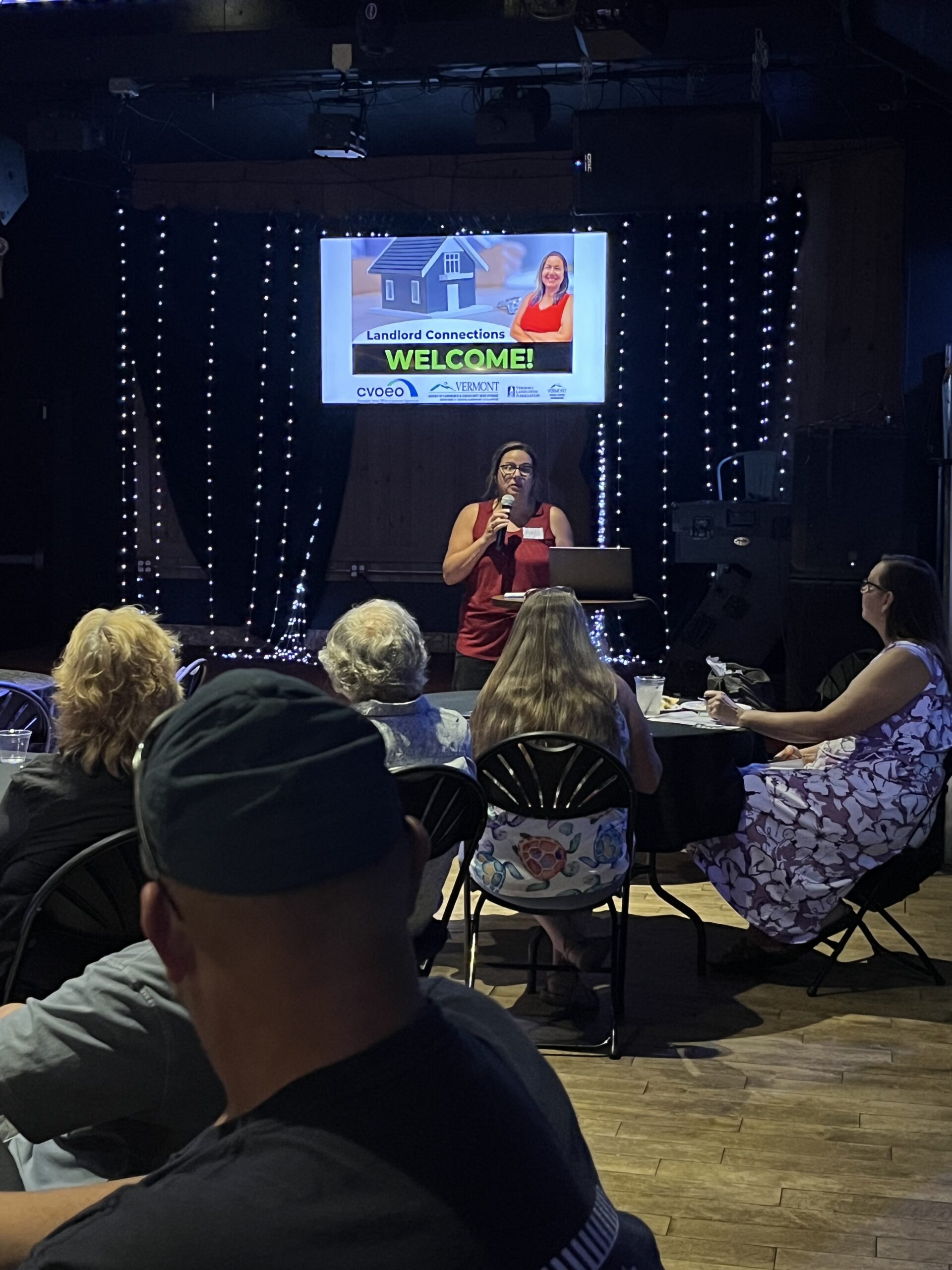
CVOEO’s Fair Housing Project recently held three Landlord Connections events to connect with landlords around the state and provide a space for networking, learning about housing provider concerns, and sharing housing resources available to improve housing conditions and help sustain tenancies. More than 70 housing providers met up in Middlebury, St. Albans, and Burlington for presentations and discussions with CVOEO’s Fair Housing Project and regional Community Action agencies, Vermont Department of Housing & Community Development, Vermont Human Rights Commission, Vermont Landlord Association, Supportive Services for Veteran Families, Burlington Lead Program, and others.

As many may know (and some may not), we are experiencing a worsening housing crisis throughout the nation that is a prominent concern in our great state. Vermont has a tight housing market with low rental vacancy rates in most counties as well as a shortage of affordable housing. Homeownership is a dream for many. However, this desire is not a one-size-fits-all for every Vermonter. Many people also enjoy the benefits that come with renting, which can include flexibility, fewer home maintenance responsibilities, and shorter commitments to an apartment or location. Since many people rely on rental housing and some prefer it, our communities need dedicated housing providers with specific qualities to help us improve the housing challenges that we are navigating. Low-income renters with membership in protected classes under fair housing laws tend to have barriers that can interfere with their access to and retention of affordable housing. These people are especially vulnerable to housing discrimination and insecurity.

Through our work with renters and housing providers, we have seen how clear and respectful communications can help foster positive relationships and successful tenancies.

What do we need in a housing provider?

  • Empathetic and Trauma-informed: Some landlords may not have lived experience of housing insecurity, houselessness, mental illness, having a disability or criminal background, being a survivor of sexual assault, abuse or stalking, (etc.) however, it is helpful for people providing housing to have knowledge, empathy, and tools for supporting these human conditions.
  • Cultural awareness and inclusivity: There are several of languages spoken by residents statewide with people from various cultures and countries enriching our Vermont communities. Housing providers should be knowledgeable and well-practiced in serving renters with different demographics than themselves or their families.
  • Good communications and customer service skills: Landlords are providing goods and services, so building rapport with renters is crucial to curating and maintaining a business that thrives.
  • Low to no profit-centered attitude: Renting is a business that generates income for the housing provider, but in what ways can renters benefit from the money they are investing in monthly rent payments? These costs add up and tend to leave renters with more losses than gains. Co-op housing can allow renters to gain equity in the homes they reside in as the housing market fluctuates. Oregon’s Limited Equity Co-op bill is a useful model that exemplifies how this form of housing benefits property owners and renters: “the project is founded on a shared ownership structure that combines a Community Land Trust with a Limited-Equity Co-op. The benefit of this cooperative model of housing is that it gives the residents more voice in their housing, greater financial stability and security, and a sense of pride as a part-owner of their own housing as well as responsibility for it” (HB 3232 Limited Equity Co-ops, Oregon Legislature). These properties also have a tax-exemption which can relieve financial burden on property owners and residents of the homes. Affordable housing benefits everyone. According to PolicyLink, if rents were affordable throughout the nation during the 2020 pandemic, we could’ve saw $141 Billion of disposable income spent in local communities to revitalize the economy (OUR HOMES, OUR FUTURE: Building the Power to Win Rent Control for Stable Communities, PolicyLink). Do we live in an economy run by capitalism? Yes. Should the human need for housing be driven and controlled by the need to make as much money as possible? …what do you think?

At the Landlord Connections events, housing providers discussed the many challenges they are facing, such as rising taxes and other costs, difficulty finding contractors for needed repairs, and communications with tenants. It was helpful to hear these concerns to better understand what is needed to improve the renting housing market and stock.

What do housing providers need?

  • Accessible resources for home rehab and habitability needs: Being a landlord is a business, and landlords should be able to cover their costs. However, this becomes problematic when the rising costs exceed tenants’ ability to pay or when rents are set to make the highest amount of profit. With an aging housing stock, housing providers need access to funds to bring dwellings up to code and habitable for long-term tenancies.
  • Informed & responsive tenants: Renters who know their rights and responsibilities are aware of the importance of their role as a tenant and can advocate for their needs and any concerns regarding the property. This can decrease issues in the home worsening and burdening both the tenant and landlord. CVOEO’s VT Tenants Program provides free Renters Workshops to improve renter education and skill building when navigating rental housing. This resource allows tenants to earn certificates that some housing providers view as an adequate credential when reviewing rental applications.
  • Communicative Renters: Effective communication between a renter and landlord is key. Establishing a written rental agreement that clarifies all expectations for the tenant and housing provider is necessary before a tenancy starts. There are resources in our community to help facilitate conversations. Requests for interpretation services can be submitted through AALV or CVOEO’s Office of Racial Equity and Community Inclusion (ORECI) and Burlington’s Community Justice Center can support with conflict mediation with the Conflict Assistance Program. Additionally, tenants’ flexibility in modalities for communication can be beneficial to communicate with housing provider efficiently and in a timely manner.

Ultimately, people should have accessible resources to live in their preferred housing. Whether people rent or own, fair housing law states that equal opportunity in housing choice is a right regardless of barriers or limitations. Housing providers should be well informed about resident needs and expected to develop healthy, professional, and proactive relationships with their tenants to support successful tenancies and the well-being of renters of their properties. The landlord-tenant relationship comes with complexity between the needs of all parties involved and it is crucial to meet people where there are and use best practices to meet such needs.

Want to learn more? Contact us to schedule a Fair Housing Training or “Know Your Rights” Fair Housing and Tenant Skills Workshop: (802) 660-3456 ext 110, email: fhp@cvoeo.org

Thank You for Another Successful Fair Housing Month

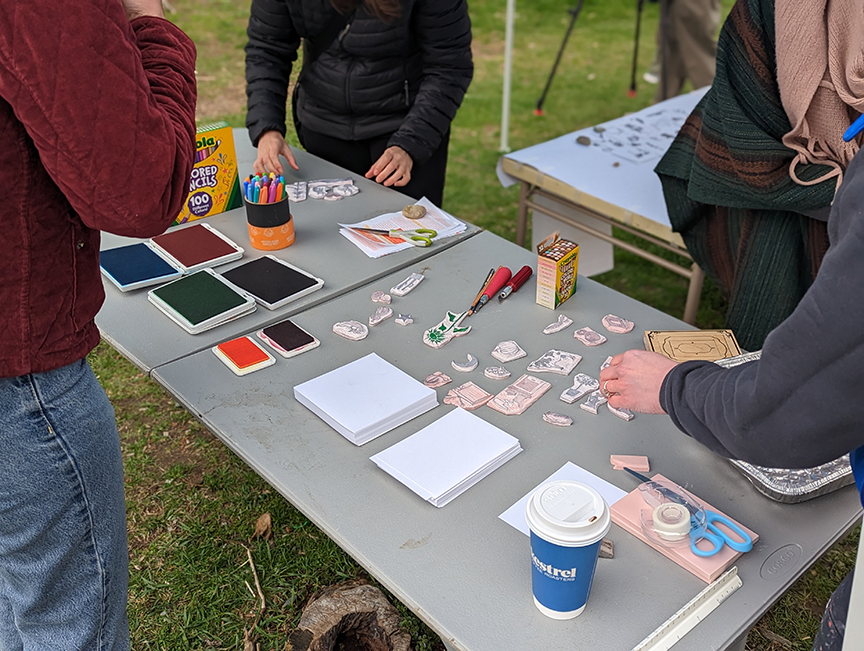
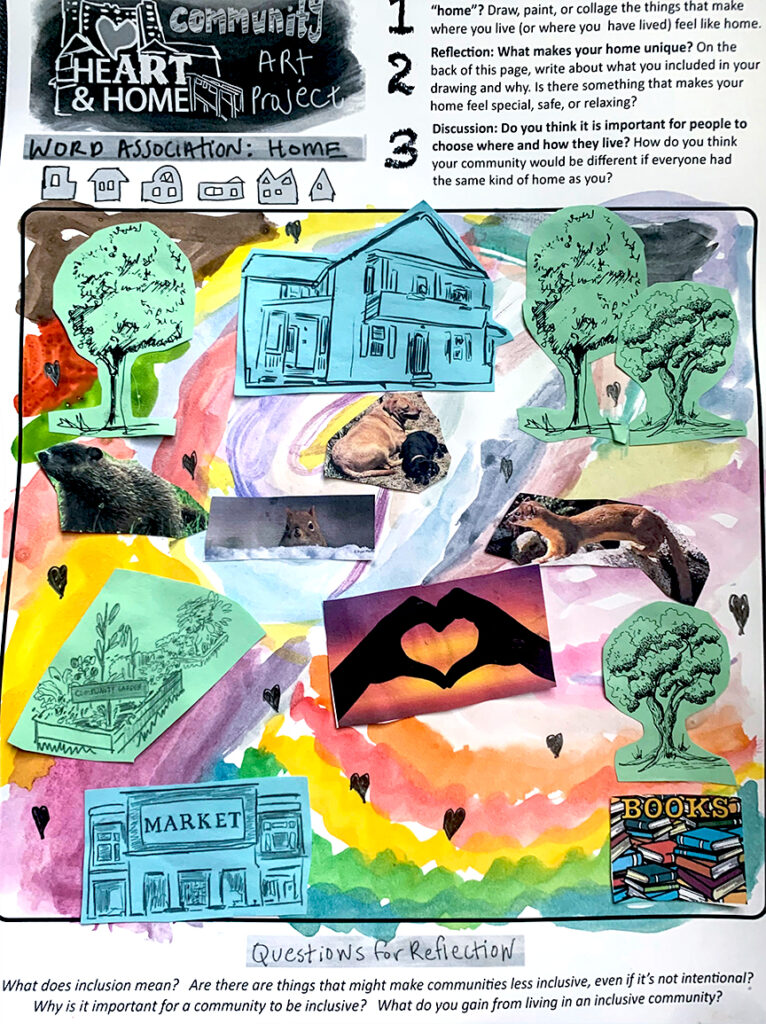
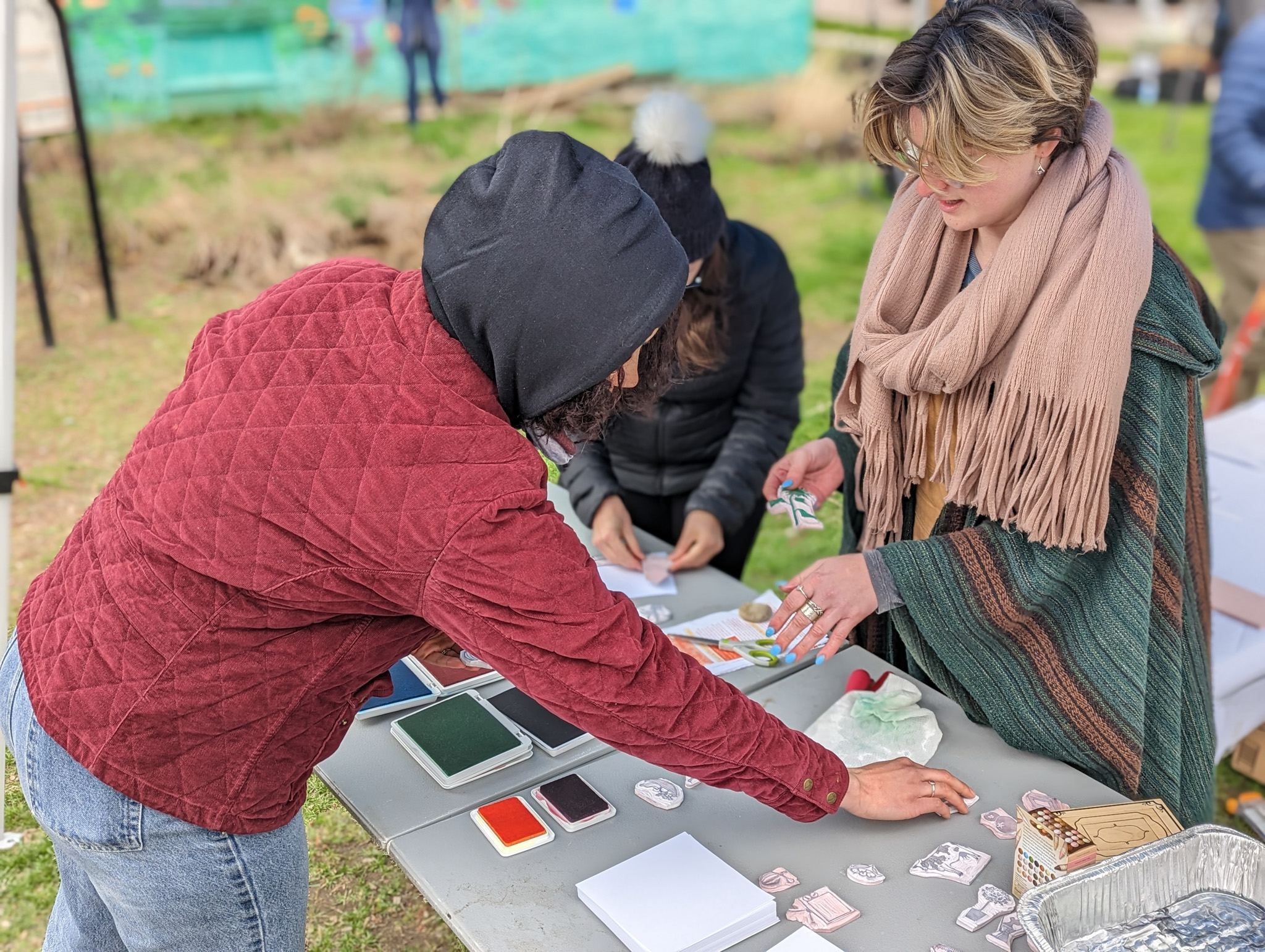
We couldn’t be more grateful for the conversations we had throughout Fair Housing Month in April. We talked about how public spaces contribute to the sense of belonging, how we can reach a wider audience through creative forms of community engagement, the ways opportunities for resident feedback in how we shape our home & community spaces can foster a sense of agency– and so much more. We received countless responses to our HeART & Home Art prompts, illustrating how we each think of home, so much more than the shelter-structure. We have enjoyed seeing you in parks, laundromats, statewide calls in the digital space, breweries, in passing in our hallways and on our sidewalks. And we also appreciate the quiet listeners, tuning in from your work day when you can, sharing the events and activities in your communities.

Each year, our work grows

Each year, the network of Fair Housing Month partners grows, allowing this work to reach more people across the state. Almost 200 people participated in the CVOEO lead workshops, community conversations, Fair Housing Friday discussions, art events, and countless other educational activities, and hundreds more were engaged by partners across the state. We distributed more than 1,100 HeART & Home Art kits to invite reflection on the foundation that home provides to all of our lives, and how important it is to have agency in our home-space to accommodate our unique, individual ways of living.

These activities went far beyond the basics of fair housing and included discussion on ways to make our towns and cities more welcoming, issues related to housing access and homelessness, and how to address community housing needs. 

Here are a couple of highlights that were recorded:

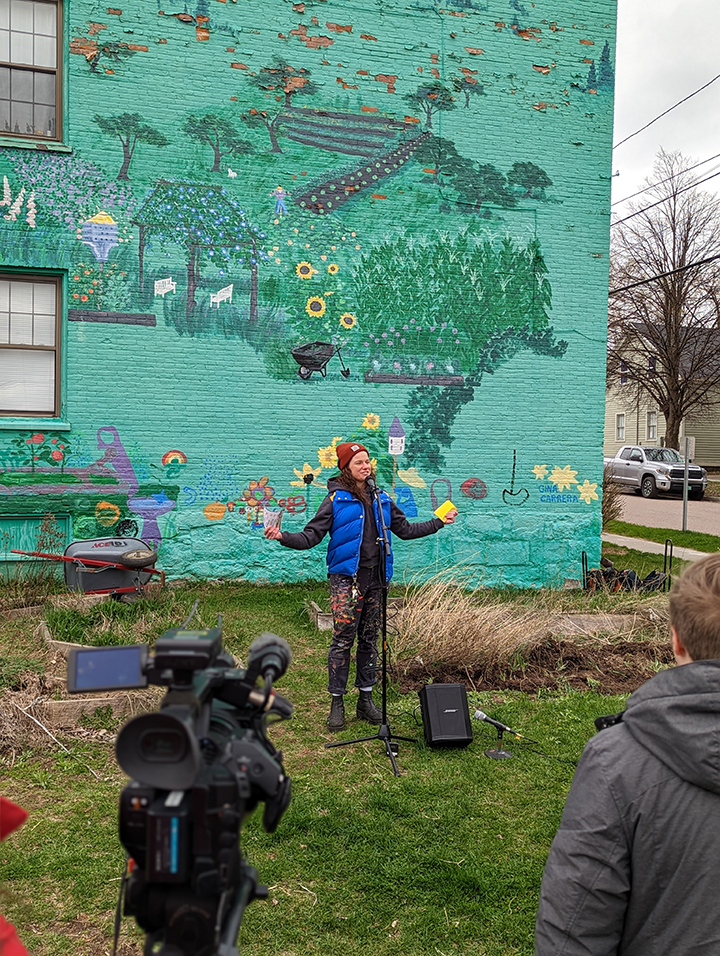
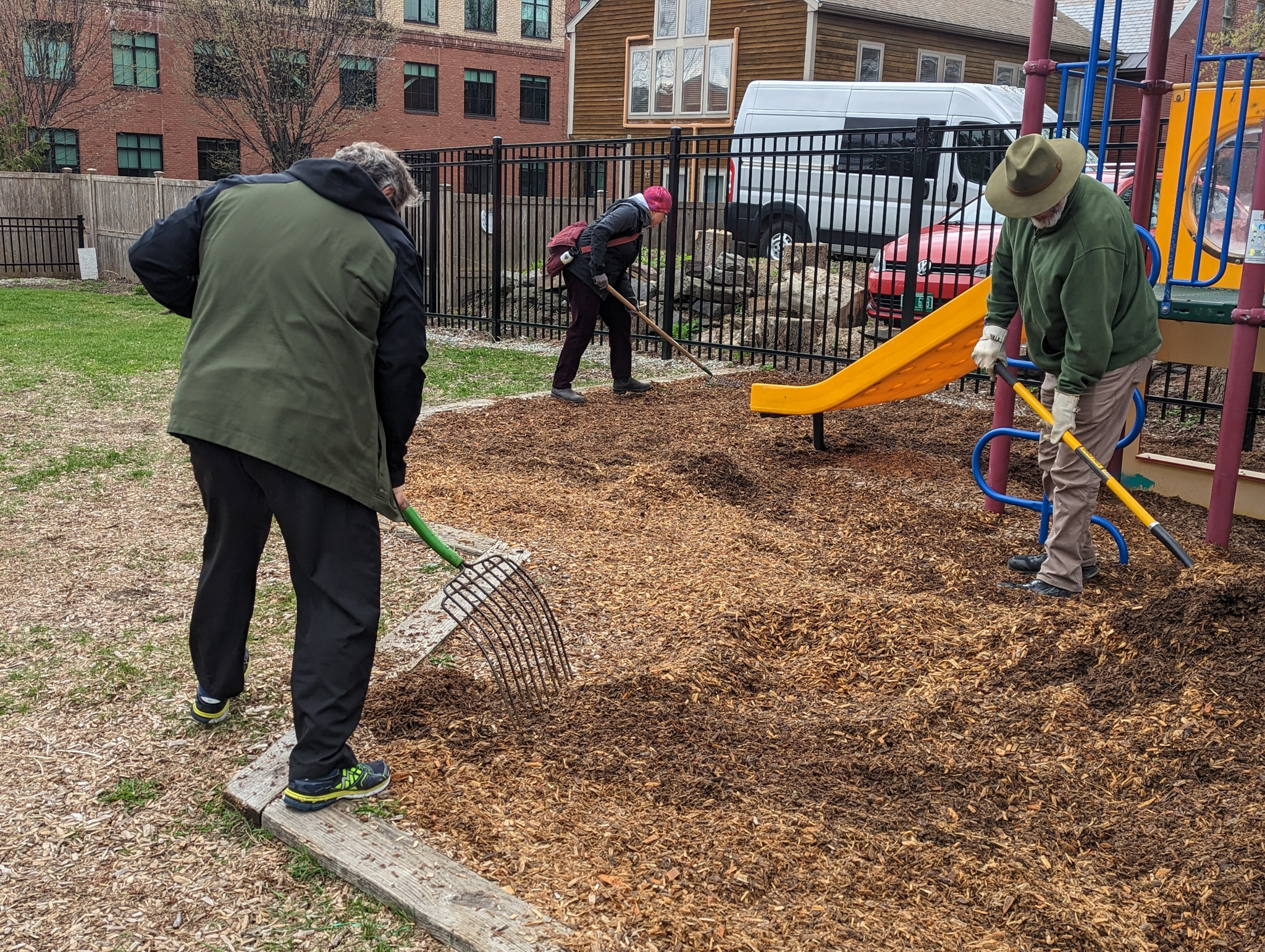
  • The  Community Day of Action press event included compelling explanations about the connection between green space, equity, and a sense of community. You can watch the recording here  (also linked above!)
  • The Vocabulary of Home conversation at Contois Auditorium highlighted the importance of talking about affordable housing from the lens of “home,” and the voices of the people who live there. CVOEO’s Fair Housing Project joined Burlington’s Special Assistant to End Homelessness Sarah Russell at Contois Auditorium for a discussion on how we talk about housing and homelessness. Wearing both her “housing hat” and “artist hat,”  CVOEO’s Fair Housing Project’s Corrine Yonce used images from her public art, lessons from the HeART & Home art responses, and anecdotes from residents in affordable housing to highlight the complexities in our housing language.  You can watch that recording here.
  • We had another round of stellar Fair Housing Friday discussions, featuring voices of resident engagement coordinators, affordable housing residents, community artists, media makers and organizers, city planners, advocates– and more! These are out-of-the-box creative discussions about the state’s housing needs, avenues for directly involving the people living in affordable housing, and how we think about home and community as a state. You can find those recordings, along with a archive of past Fair Housing Fridays, here.
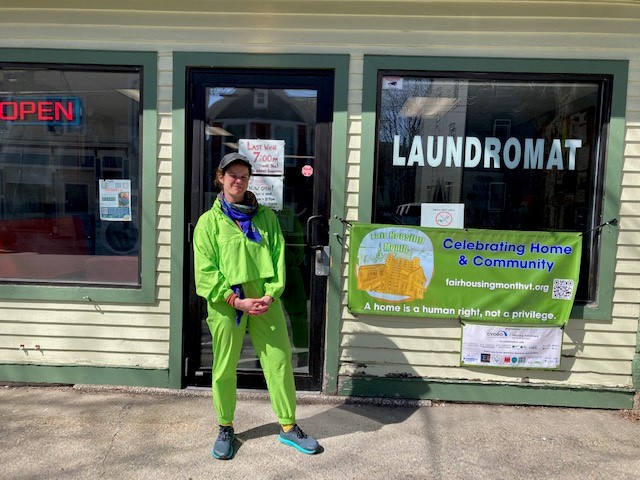
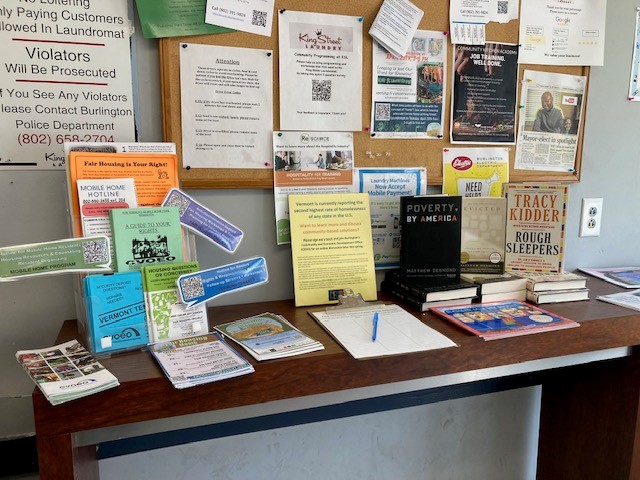
  • We hosted an art opening at King St Laundry as part of a public art series, where we talked about the role public art plays in furthering equality in our housing landscape, and how public spaces can act as an extension of our homes.
  • One rainy Saturday evening, CVOEO Fair Housing Project, along with the Vermont Affordable Housing Coalition and Main Street Landing, closed out a month of activities with a housing social followed by the film The Pursuit of Happyness. 

An Abundance of Gratitude

We want to give a special shout out to the Fair Housing Friday guest panelists:

Meaghan Tedder, of Evernorth Housing, Will Condry and Jennifer Herrera Condry  of Juniper Creative Arts, Sal Millichamp, of Laurentide – thank you for sharing your insights on how we can engage the people we house in their shared and private spaces. 
  • This was a rich conversation between community artists, resident service providers, and residents living in affordable housing, with specific insight on not just how to engage residents in the design of their home spaces, but how resident feedback can make our work as housing providers more efficient. You can find the recording here.
Jordyn Fitch & Maeve Littau of Junction Arts Media – thank you for sharing your documentary, your voice and your perspective on this topic! Your work documenting the housing landscape in Connecticut River Valley region comes a critical time to listen to the people most impact by our housing shortage. 
  • Jordyn and Maeve’s shared unique perspective comes in the midst of a string of housing events hosted by Junction Arts and Media, including a documentary screening of Racist Trees and an art exhibit, Redlining Our Souls. Learn more here.  You can catch their Fair Housing Friday discussion here.
To John Haffner of Vital Communities, and Meagan Tuttle & Sarah Morgan of the Burlington Office of City Planning, and Beth Whitlock representing Hinesburg Housing Committee – thank you for sharing how the ways we talk about housing can inform the ways communities think about and engage with housing, and for introducing tools to expand our housing vocabulary.
  • The panelists covered a lot of ground related to this topic, from the ways assumptions about “Vermont communities” may limit us from meeting our housing needs to the surprising ways Vermont downtown centers historically met many of the smart growth goals we strive for today.  You can find the full recording here.

We also want to extend our deepest gratitude to our Fair Housing Month partners, including Vital Communities and the White River Valley Consortium for bringing Fair Housing education and HeART & Home art kits to welcome in new members of the Rochester community, and to the Home Creators Expo. We thank all the libraries who hosted workshops, art activities, and educational information, and the Vermont Department of Libraries for connecting us to these incredible resources across the state. Thank you to Junction Arts & Media, Randolph Area Community Development, RuralEdge, Vermont LegalAid, CEDO, ONE Arts, Vermont Human Rights Commission, the Vermont Department of Housing and Community Development, Burlington REIB and the Vermont Affordable Housing Coalition for helping us reach as many Vermonters as we can with our Fair Housing Month programming.

And a huge thank you to all of our sponsors: Champlain Housing Trust, Cathedral Square, Evernorth, Farrell Properties, Main Street Landing, Two Rivers-Ottauquechee Regional Commission, Pomerleau Real Estate, Redstone, Vermont State Housing Authority, Vermont Housing & Conservation Board, and Vermont Housing Finance Agency

The work is Far From Over

Finally, we remind ourselves that this work is far from over. Fair Housing Month activities wrapped up in advance of 1,800 Vermonter facing imminent displacement, 600 of whom are children, many of whom have serious health requirements – like access to ventilation equipment and regular nursing needs – many of whom are fleeing domestic violence, and who disproportionately represent the members of our community traditionally denied equal opportunity to housing. Renters face rising rent costs despite wages not growing in proportion, in the midst of an unprecedented housing shortage. Black and Brown Vermonters continue to rely on rental housing at a far greater rate than white Vermonters, who are also privileged with greater access to home ownership. Renters are not afforded Just Cause eviction protections in most of the state, and more than half of renters are cost burdened by their rental cost, thus resigned to a sense of precarity. Our dire housing landscapes calls us to continue to have these conversations, which outline creative, innovative, and new ways to address a growing problem.

Our “Housing Language”

As someone who has attended many housing conversations over the past decade, there are many housing-takes I am well acquainted with. If you’re a housing advocate, this is probably true for you, too.

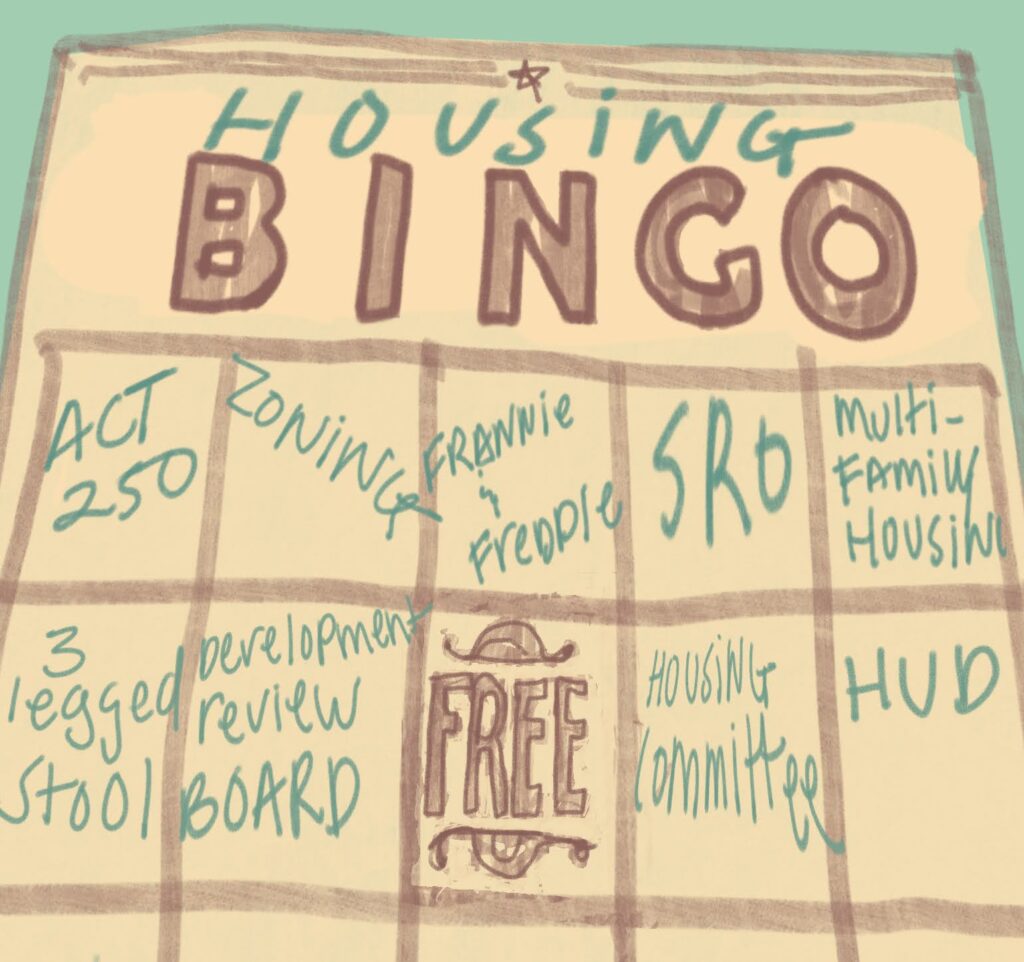
We are all familiar with the proverbial “three legged stool” of affordable housing (capital investments, financial assistance, and supportive services), the plight of housing being siloed from other social service sectors, Vermont’s aging demographics, and smart-growth practices. If one were to create a housing bingo card, terms like “Frannie Mae and Freddie Mac,” “multi-family housing,” and “Act 250″ would surely make it into squares. Combined with our notorious  habit of referring to the numerous housing nonprofits, agencies, and other entities by their acronyms, the world of housing has developed its own language. If you are anyone outside of our insular bubble, however, all this terminology likely requires some translation.

Last year, we shared this post “Housing Committees & Citizen Housing Advocacy.  Our intent for the guide was to encourage participation in local housing committees by everyday people who can speak to the individual, specific needs of the community members most impacted by our housing shortage. But if we don’t make the “language” of housing more accessible, can we rely on community-driven change by our housing committees and review boards?

Opportunities for community engagement in the policies we implement as towns, cities, and states are in place with the belief that they create avenues for community members to ensure their needs and shared spaces are not steamrolled by national, government policies.

We know that all cities and towns don’t have the same needs, and a single overseeing organization could not possibly know what those needs are. We also know the history of our federal and state governments creating intentionally discriminatory policies with the intent of disinvesting from Black and Brown communities, and segregating their members from white communities. This is to say that existing regulations, like the National Environmental Protection Act, are intended to further our democracy through community participation.

What ends up happening however, as this NYTimes podcast points out, is that the marginalized communities intended to benefit from these policies are not the ones actually using them. It is the people with the privilege of access to these avenues who are most readily able to voice their concerns — people who have the time to do the research and commit to the meetings, the backgrounds to understand the language, access to the meetings space through transportation or technology, familiarity with governance protocols, and the personal interest to “protect” their stakes in their neighborhood. 

In recent years, housing advocates have recognized this pattern. Already, there are creative solutions emerging across Vermont to bring the housing conversation to the people passionate about housing justice, but lacking avenues to make an impact.

Housing for All Summit

The Fair Housing Project joined Vital Communities and Keys to the Valley for the  recent Homes for All Summit, a conversation on how to meet the housing needs of the Upper Valley Region of Vermont. 

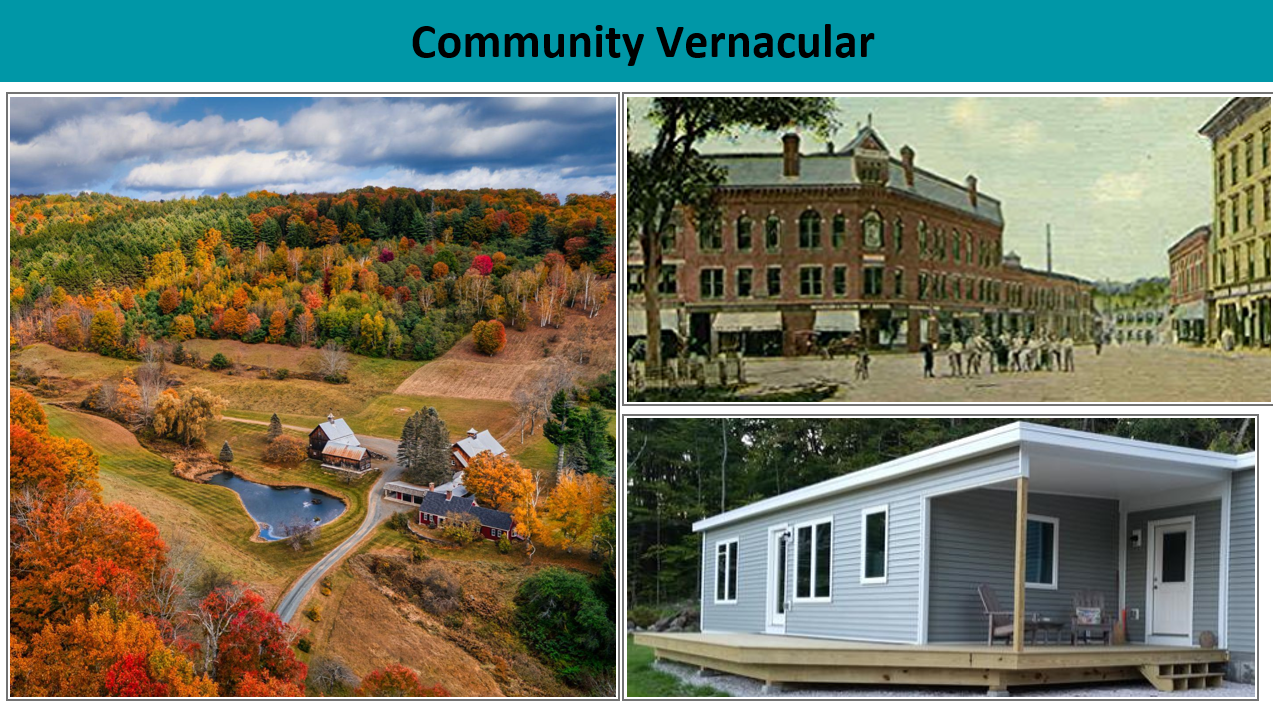
Together, we discussed housing solutions, projects, and challenges Upper Valley communities are facing. John Haffner, manager of Vital Communities Housing and Transportation program, emphasized the need to change our vernacular when we talk about housing and communities in Vermont’s more rural spaces. 

Two photos from the Upper Valley region appeared on Haffner’s screen. To the left, an idyllic single-family house with a red barn, surrounded by rolling pastures and foliage-adorned hills. To the right positioned a black and white photo of a bustling city center, complete with front-facing businesses, topped by apartment rentals and connected by walkable roads.

From the Housing for All Summit, Haffner illustrates how historical city centers depict contemporary housing values


Haffner argued that not everyone can live in the single family home, abutted by the red barn and rolling pastures that comes up when you google “Vermont Upper Valley,” as he revealed was the case with the Norwich-based photo on the left. However, dense, walkable town-centers are just as much a part of Vermont’s historical “character.” The right-hand photograph Haffner reveals as Lebanon town from the early 1900’s, ironically encompassing our new urban ideals over a hundred years past. The strongest resistance to building the housing we need is often in the name of preserving the character of our communities. But character becomes distilled into a series of images that may not actually represent the true diversity of our Vermont neighborhoods. Housing advocates are charged with shifting our shared perception of what it looks like to live in the Upper Valley region of Vermont. 

In Burlington, the Department of City Planning Brings the Housing Conversation to the Community

Up in the Chittenden County region of our state, housing advocates deal with distinctly different housing needs, but are facing a similar problem: community resistance to building in their neighborhoods. Can you shift the way a community thinks about their current housing landscape, its history, and its future over a series of public forums?

Burlington’s Department of City Planning is responding to Vermont’s most acute housing shortage, where recent vacancy rates have dropped to 0.4% for rental housing overall, and as little as 0% for three bedroom apartments. One of the zoning blocks they are charged with reviewing is the South End, the Pine Street corridor which includes Burlington’s Arts District.

City Planning staff members Meagan Tuttle and Charles Dillard are tiptoeing in delicate territory, however. With the area only recently formally recognized by the city in 2010 as the Arts District, artists have been organizing in the remains of Burlington’s manufacturing companies for over 30 years. Artists are credited with revitalizing a part of town zoned only for manufacturing, and bringing some of the “funky personality” that we associate with Burlington today. But in 2015 when Burlington proposed housing in that area, the businesses and artists organized against it with some success. Today, under the guidance of Tuttle and Dillard, the rezoning proposal looks a little different. They have identified what is termed the “Innovation District,” a small parcel of land near the Arts District that would benefit the community with more housing. 

The Planning Department of Burlington was cautious and strategic in how they engaged the community around this potential change to regional zoning. A series of interactive Q&A’s allowed residents to ask questions about the proposed change, and to voice their needs for the community, including an interactive map which people could add notes to. The team was a frequent visitor at the Farmers Market, a well-attended community event that takes place in the Arts District. 

Is it possible to talk about zoning, but make it fun?

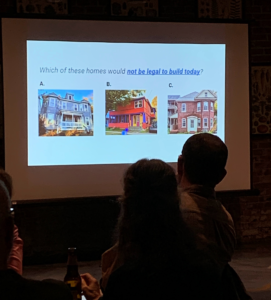
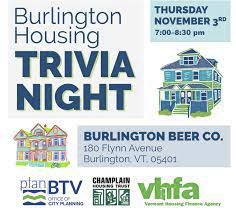
At the start of last month, the Burlington Department of Planning hosted a trivia night at Burlington Beer company. The audience was an even split of housing advocates, curious for “fun” ways to consider housing policies, and patrons, entertained by the prospect of trivia while enjoying a drink. Surely, there has never been a moment in Vermont’s history where the conversation of zoning was accompanied by so much laughter. Hosts asked questions like, “how many units are in each building?” showing an array of “charming” homes that had been subdivided into multi-family housing. Between questions that invited audiences to reflect on the history of Burlington’s housing policies, moderators encouraged the audience to reflect on how different neighborhoods in Burlington were more or less inclusive. “As we play this game, think about how Vermont has both one of the oldest housing stocks in the country, and continues to be one of the whitest states in the country.”


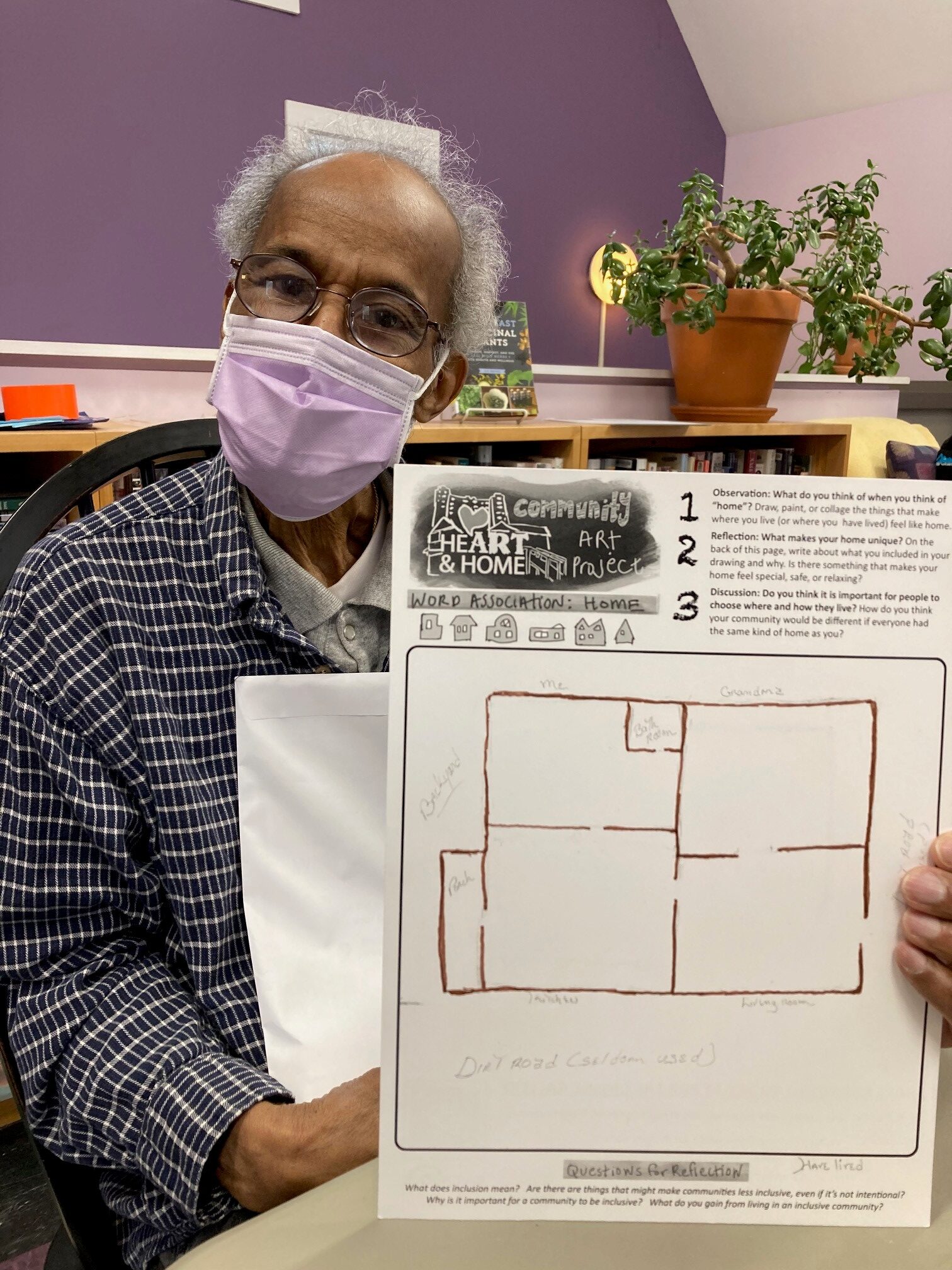
Noteworthy in the outreach methods of Burlington’s Office of City Planning is their visual iconography. If one is asked to draw a picture representing “home” (as we often prompt Fair Housing Month participants to do at CVOEO’s Fair Housing Project), most of the time, it is depicted as the iconic square topped by a triangle. This is true even if the artist themselves does not live in a place represented as such, with the exception being when participants are invited to consider home from a deeper, more personal lens, as with this Bent Northrop Fair Housing Month submission. Burlington’s City Planners know that the iconic “single-family” two bedroom house is not what most Burlington community members live in, and so they hired local artist Jodi Whalen to depict the specific, unique architecture of buildings in Burlington. Whalen’s drawings include some of the quirky apartments featured in the trivia slides- which appear as a single home, but pack extra apartments in the back – as well as the newer, high-density builds that are cropping up in the city today. We reached out to Whalen to hear more about the process of creating the illustrations.

Office of City Planning hires local illustrator to depict a wide variety of Burlington homes

I moved to Burlington from Pennsylvania in 1991, and have lived in the Old North End, Downtown, the New North End, and the South End. I love not just the unique architecture of the city, but also the way people make their houses their homes. I love to ride my bike around town to catch glimpses of porch gardens, little free libraries, sunflowers in green belts, and other touches that bring these old homes new life. In my illustrations, I like to add whimsical colors and patterns to add even more of the fun Burlington spirit to the homes.

-Jodi Whalen, on her illustrations for the City of Burlington Department of Planning

This is just a taste of some of the creative approaches to shift our housing “vernacular” as towns, cities, and a state. Tune into our Vermont Housing Conference post for highlights on other creative takes to inviting more community members into the housing conversation!


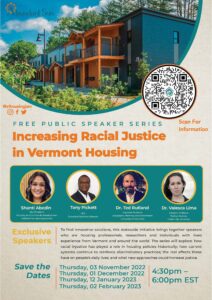
Vermont Racial Justice Housing Jam: Speaker Series Starts Nov. 3

Register now for Increasing Racial Justice in Vermont Housing speaker series

A group of Vermont housing organizations is hosting a free four-part series examining how racial inequities impact access to housing in Vermont.
The public speaker series has been developed by Abundant Sun, together with the Vermont Racial Justice Housing Jam, a committee of community members with lived experience and representatives from nonprofit housing organizations. Local, national, and international speakers will address selected topics focused on increasing racial justice and equity in Vermont housing.  The goal of the initiative is to identify actions on policy, programmatic and cultural levels to expand access to affordable housing for all Vermonters.

All sessions are free and open to the public, and will be held via Zoom from 4:30-6pm with presentations followed by discussions (click on each title to register):

The Vermont Racial Justice Housing Jam is coordinated by the Vermont Housing & Conservation Board, working in partnership with Abundant Sun, Champlain Housing Trust, Downstreet Housing & Community Development, RuralEdge, Windham & Windsor Housing Trust, NeighborWorks of Western Vermont, NeighborWorks America, and Vermont Housing Finance Agency, with additional support from the Federal Home Loan Bank of Boston.

Thriving Communities and Housing from the Peruvian Andes to Vermont’s Green Mountains

Hi! I’m Beth, and I’ve been volunteering with the Fair Housing Project over the summer, working mainly on social media with Corrine and Jess. As a brief introduction, I’m currently finishing up my PhD in Anthropology at Brown University. I’m originally from the UK, but my partner grew up in Shelburne, and we moved back to Vermont in 2021. 

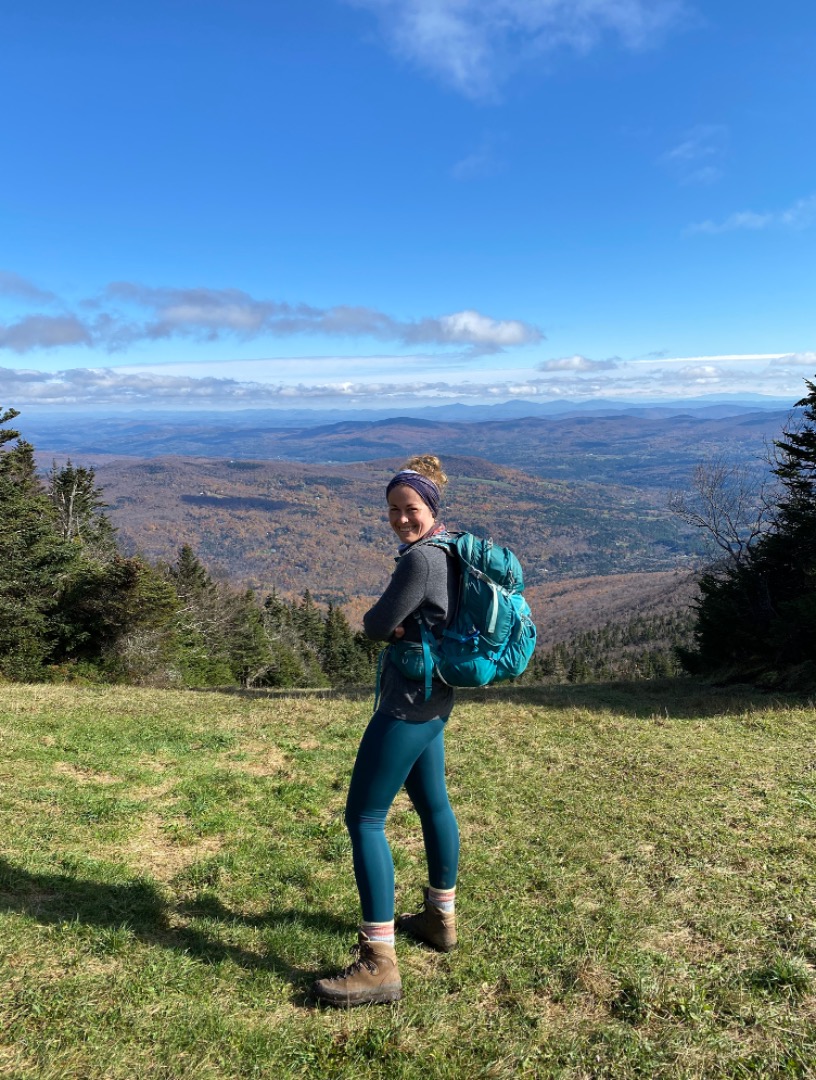
Hiking in the Green Mountains after moving back to Vermont

PhD research

At first glance, it doesn’t seem like my PhD research has much to do with fair housing or thriving communities. I study herding communities and environments in the Peruvian Andes (think llamas, alpacas, and mountains) and how they responded to Spanish colonialism in the 16th century. More broadly, I’m interested in how rural communities renegotiate their lifeways in response to external changes. In the communities I study, responses often involve shifts in how people manage and use the environment. Today, for example, Andean herding communities have had to intensify wool production to meet increased global demand for wool, which is prized for its fineness and warmth. To do this, they’ve expanded wetland pasture so it can host more animals. I think similar shifts happened in response to Spanish colonialism: Spanish-operated mines relied on caravans of llamas to move goods between the highland mines and coastal ports. To meet increased transport demand, herders would have had to construct new infrastructure, such as corrals, along the route. Spanish colonialism was undoubtedly a violent period that led to the death of millions and the destruction of many Andean community practices. But because of a focus on this, and on the colonists themselves, less attention has been paid to understanding the diverse ways in which rural communities, in particular, responded to colonial policies.

The high-elevation (about 14,500 ft) herding landscape my PhD research is based in, in the Peruvian Andes

Housing

I’ve always been interested in housing, especially in rural areas. I grew up in a small coastal town in the UK and I see a lot of parallels between my hometown and where I live now, in Vermont, in terms of housing issues. In both places, housing inequities – in particular, rising housing costs and housing shortages caused in part by increased migration, second-home ownership, and short-term Airbnb-type rentals – have begun to hollow out our communities.

Short-term lets are increasingly impacting housing availability and community cohesion in rural areas

While we often, perhaps rightly, see these as threats to our homes, I think what’s more important is how we, as a community, respond to these changes. Like with Spanish colonialism and Andean herding communities, it is important to recognize both the major large-scale changes and the small-scale, local ways in which communities respond to these.

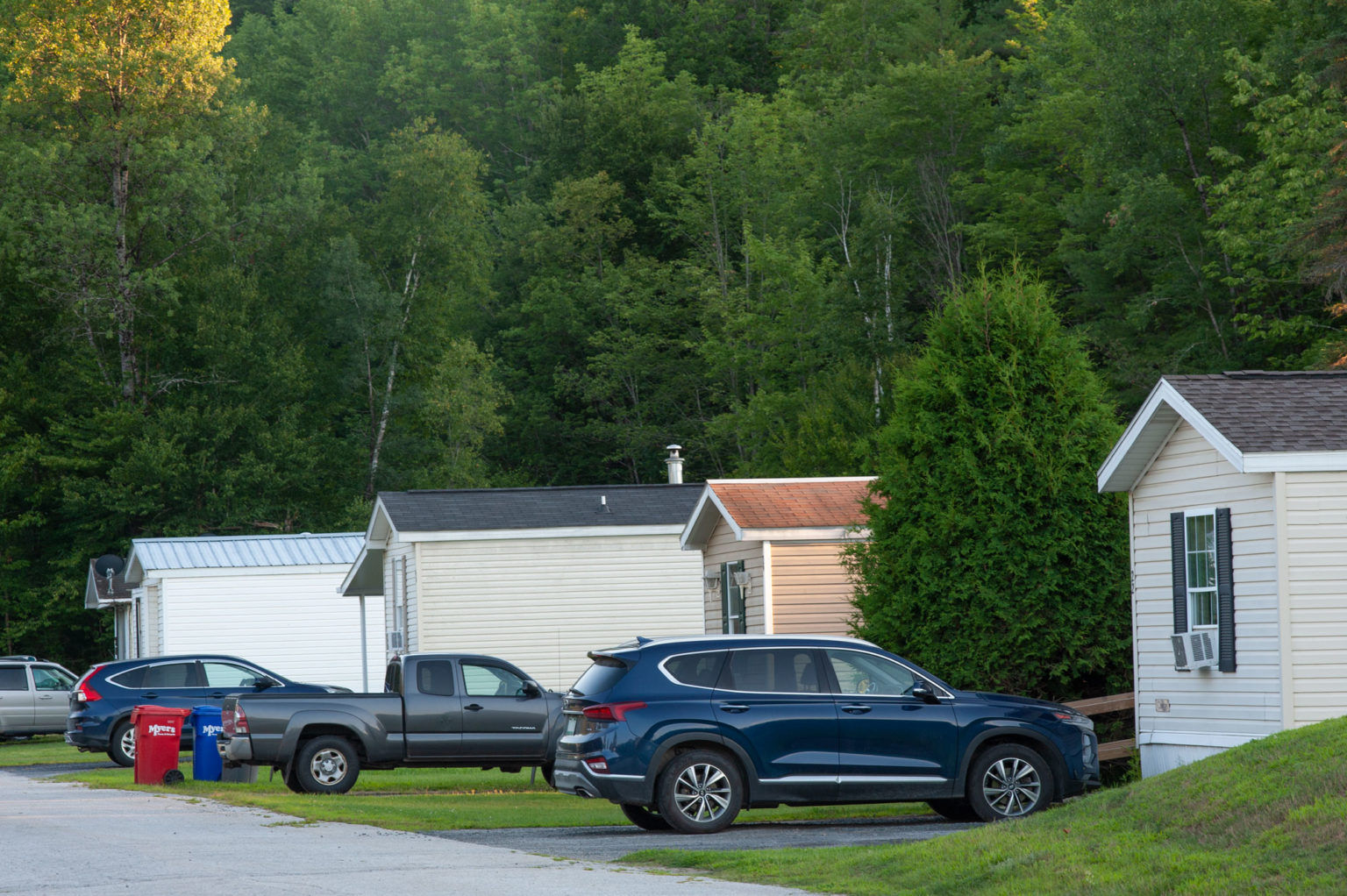
Manufactured (mobile) home communities are increasingly important within the Vermont housing ecosystem, because they provide affordable housing in a tight market. Recent news articles (part of the Seven Days “Locked Out” series have highlighted both the challenges manufactured home parks face and the ways in which they provide community for their residents.

Over the summer, I’ve used the Fair Housing Project’s Thriving Communities social media pages to highlight how people in Vermont and beyond are responding to housing challenges, whatever form these take. A lot of the news about housing in Vermont is bad – we all know the state is facing down a major housing crisis – but there has also been a lot of good stories and positive news!

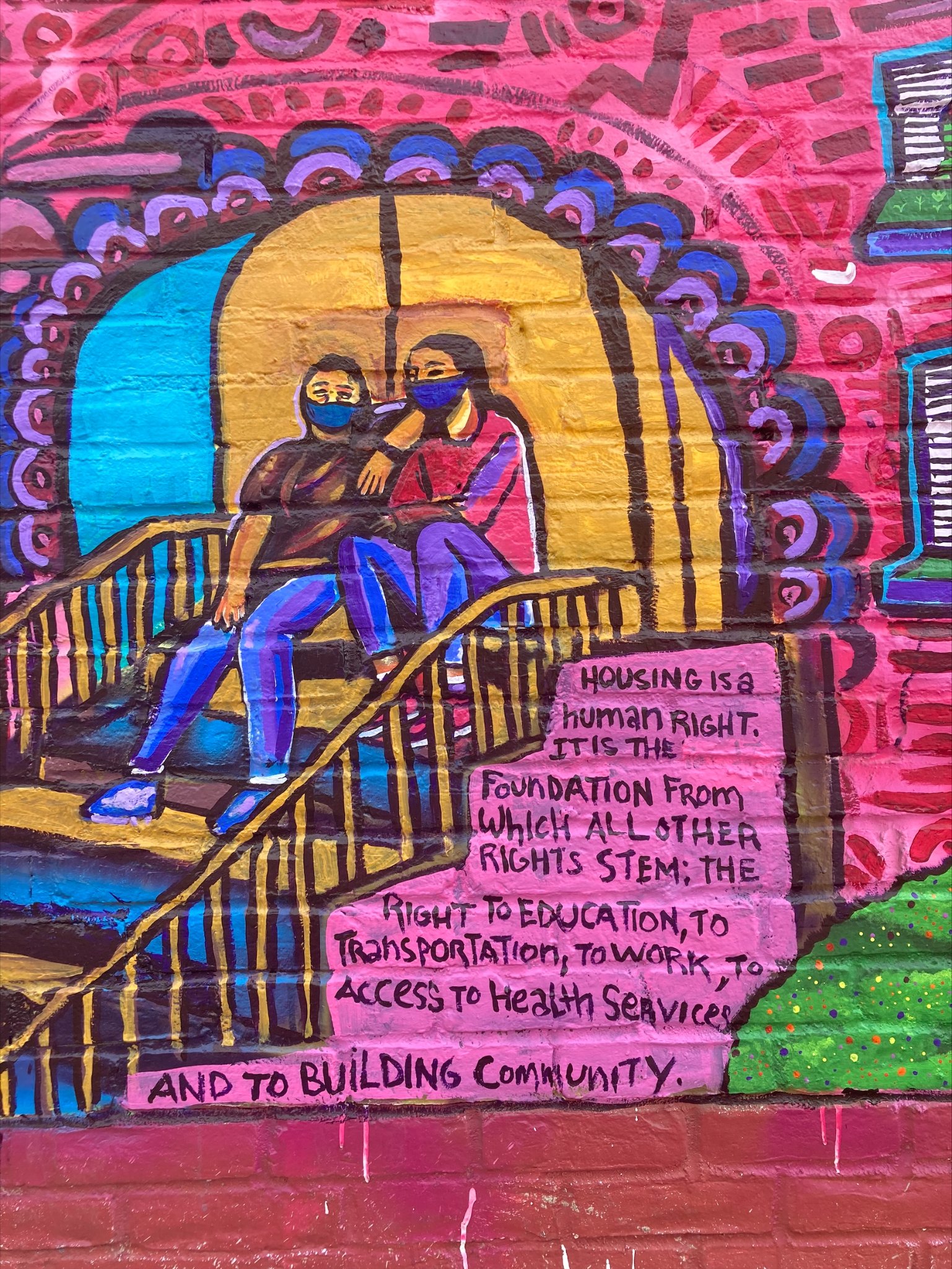
A mural in Burlington, VT, that promotes fair housing and our right to housing free of discrimination. The mural was commissioned by Vermont’s Human Rights Commission and painted by Juniper Creative Arts.

I’ve learnt so much about the housing landscape in Vermont and the different agencies and organizations working to reduce housing inequities and discrimination across the state and it’s been great working with Jess, Corrine, and the others at the Fair Housing Project. Thank you!

VT Student Anti-Racism Network launches 2022 racial equity report

VSARN (Vermont Student Anti-Racism Network) launched its Racial Equity Report at a virtual press conference on Monday, Aug. 29. VSARN is a Vermont-wide coalition of high school and college students working to combat racial inequities in the state. 

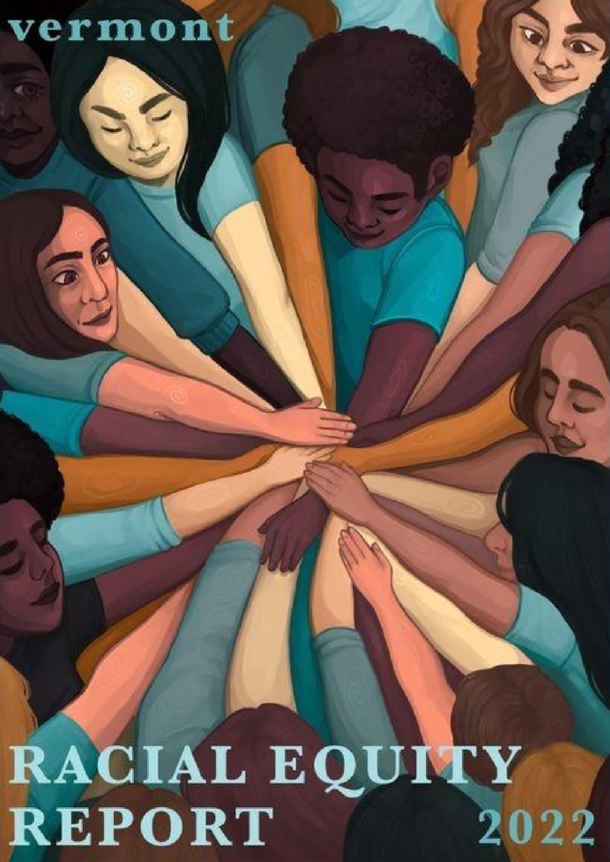
The cover of the Racial Equity Report, authored by VSARN

The report includes recommendations to improve racial inequities in Vermont, including revising state curricula for schools to be culturally inclusive, anti-racist, and multicultural and prioritizing restorative justice practices in schools.

Monday’s event opened with comments from the report’s authors, Emily Maikoo, Addie Lentzner, and Minelle Sarfo Adu, and illustrator, Isabella Ingegneri – all of whom are Vermont high schoolers or new college students. Also present were Saudia LaMont, a candidate for the Vermont House, and Rep. Michelle Bos-Lun (D-Westminster) who congratulated the authors on their work, commenting that they were working to fill an educational gap in Vermont schools. Rep. Bos-Lun noted that the report includes recommendations that she hopes to incorporate into future legislative efforts in the Vermont House, in particular restorative justice in schools. The event concluded with questions from the audience.

Minelle Sarfo Adu of South Burlington, a freshman at Antioch University and past CVOEO/Thriving Communities intern, spoke about racial discrimination in housing – noting that BIPOC families are much less likely to be homeowners in Vermont and are disproportionately impacted by rapidly rising rents. 

Two of the report’s authors, Addie Lentzner and Emily Maikoo, with report illustrator Isabella Ingegneri, Rep. Michelle Bos-Lun, and Vermont House candidate Saudia LaMont, who all spoke at the launch.

Report highlights

In addition to the recommendations to improve racial inequities in Vermont through changes to policing, criminal legal reform, youth justice efforts, educational curriculum, economic justice, housing equity and supports, healthcare reform, and broad trauma-informed education and anti-bias training, the report includes:

  • A brief history of racism and slavery in Vermont and its impact on housing discrimination, healthcare, and criminal justice.
  • The results of the authors’ survey of students at Mount Anthony Union High School, in Bennington, Vt. Key findings included:
    • 79% of respondents said they dis not get a substantial education on race and racism in elementary school
    • 42% of respondents had experienced microaggressions in interactions with teachers
    • 50% of respondents said that is is hard to live in Vermont because of its lack of diversity
  • Read the full report at the VSARN website

And check out press coverage of the launch at VTDigger and WCAX

CVOEO’s Fair Housing Project Visits the Bent Northrop Memorial Library HeART & Home Exhibit

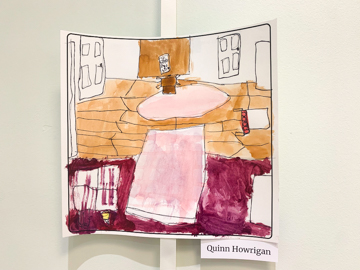
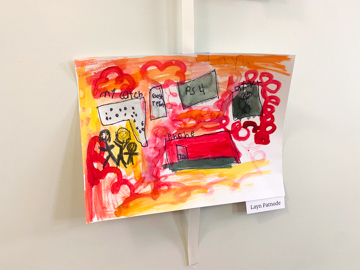
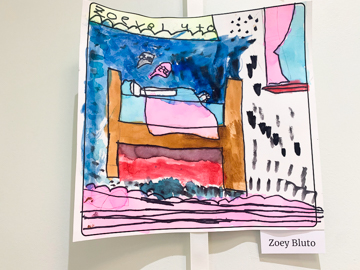
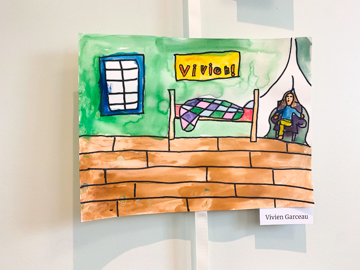
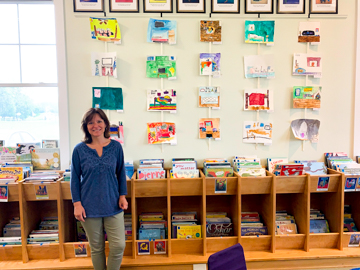
After an incredible month of Fair Housing activities and sending out almost 1,000 HeART & Home Art Kits, the Fair Housing Project of CVOEO visited the Bent Northrop Memorial Library in Fairfield to see the community’s HeART & Home exhibit

In recent years, CVOEO’s Fair Housing Project has expanded the reach for Fair Housing Month activities through a partnership with the Vermont Department of Libraries (VTLIB). This year, thanks to funding from the federal Institute of Museum and Library Services, VTLIB helped expand the HeART & Home Community Art project, which engages artists of all ages through guided Fair Housing art prompts and reflections questions.

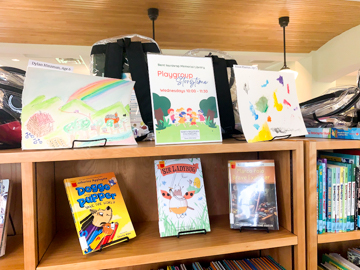
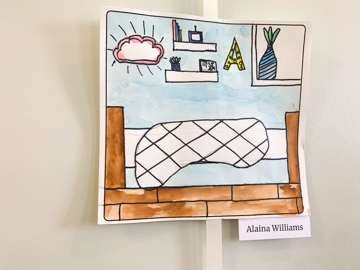
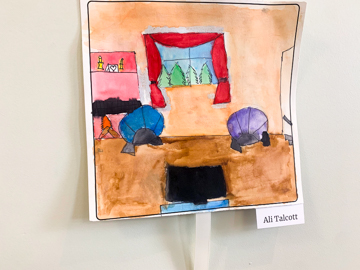
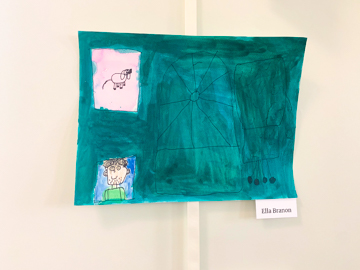
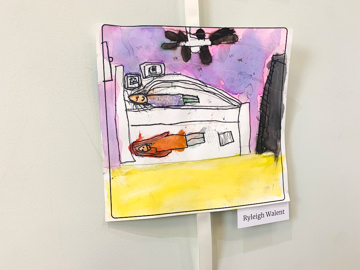
The Bent Northrop Memorial Library rose to the occasion with its own HeART & Home student art exhibition. As part of the Working Communities Challenge’s Northwest Collaborative, the library partnered with the Fairfield Center School and the Northwest Regional Planning Commission to participate in the community art project. More than 50 pieces of art were displayed at the library. You can still catch the exhibition for a short time!

Especially as we adjust to the changing realities of COVID-19, we are incredibly grateful for the opportunity to see Fair Housing Month participants in person. In this unique exhibit, we observed how the third- and fourth-grade students of Fairfield Center School carried different interpretations of what home meant to them, from sharing bedroom floor plans, to windows overlooking their yard or neighborhood, fireplaces, pets, rolling hills, barns, and more. It’s clear that home is an unique and special place to each person. 

The Bent Northrop Memorial Library exhibition captures the core of the HeART & Home project – home is a dynamic and very personal place, too complex to capture within a single person’s experience, but essential to each person’s self-expression.

Bent Northrop Memorial Library Director Sarah Allerton with the Fairfield Center School students’ HeART & Home art.

In (or Out of) “The Zone”

This guest blog post features Mark Demers, Landlord Liaison at the Champlain Valley of Economic Opportunity (CVOEO). Mark helps build relationships with landlords across Chittenden County so that we at CVOEO can strengthen our practices of assisting people with their housing needs. Mark reflects on the way zoning laws can be restrictive to inclusive housing, and the impact that might have on the overall community.  Zoning laws have been used to restrict affordable housing and perpetuate the racial wealth gap. Historically, this has been intentional, with the “protection” that he refers to in his letter being for white people. If you are interested in digging deeper into the topic of zoning and equity, this webinar hosted by the Joint Center for Housing Studies of Harvard University is a good place to start.

In (or Out of) “The Zone”

I walked into the bedroom and saw my three-year-old sitting on the floor with his back up against his bed, his knees pulled up tight to his chest. His ten-year-old brother with whom he shared the room, was seated at a desk working on a model airplane.

“Why don’t you play with your toys?” I asked the little one.

“I can’t play with my toys,” he said.

“Why not?”

“Because I can’t go past the line to get them.”

I learned that a policy had recently been put in force in the bedroom. The three-year-old was allowed to be in the room as long as he stayed on his “side”, which consisted of the real estate bordered by the wall his bed rested against and a line that ran parallel, about two feet away from the edge of the bed where he currently was sitting. The line was invisible; but it was rigorously enforced by the older brother. The youngest had access to about 15% of the space in the room. He was granted a right-of-way from the door of the bedroom to his “side”.

My youngest was experiencing the inequity of an unjust zoning ordinance – a policy over which he had little control and less say.

In her book “Fixer Upper”, Jenny Schuetz lays significant blame for the current housing crunch across the nation on zoning laws that are as restrictive as they are complicated. Communities are diverse in both their demography and their geography, thus the plethora of zoning not just from one town to another, but from one neighborhood to the next. Burlington is no exception.

Who can be expected to remember the difference between the NMU and the NAC; or the NAC-RC and the NAC-CR? We have RH’s, RM’s, RM-Ws, RL’s and RL-W’s. Each of these designate specific sections of the city and are accompanied by regulations for what can or cannot be built within their boundaries.

Zoning laws are designed to protect something – like wetlands or waterfronts or fabulous views or recreation areas. They protect the character of neighborhoods, keeping them “low density” (“RL”) or “historic” in appearance. Unfortunately, as my youngest son experienced, these laws can do more than protect resources or appearances. They become barriers – as impermeable as they are invisible – that prevent the construction of needed housing or prohibit certain people from living there.

We don’t want to throw the baby out with the bathwater. We don’t have to look far to see what happens when polluting activities are allowed to go unrestrained on fragile lands. The clean-up takes years and costs millions. We also have to ask ourselves the question: Do we want our children to be able to afford to live here? Burlington doesn’t have room to “build out” and if I read our current zoning laws right, there are not many places where we can “build up”. Something is going to have to give.

I don’t envy those in power faced with the task of mitigating the current housing crisis. My three-year-old son had the benefit of a dad whose authority was enough to adjust oppressive lines that had been arbitrarily set by the bedroom zoning ordinance. The lines drawn in and between our neighborhoods present more of a challenge. They have the power of decades of inertia behind them. But if we are going to have housing that is affordable, sustainable, and environmentally responsible, some of those lines are going to have to move. That’s not just a job for civic leaders; it’s a project that will demand careful thought, compromise – and dare I say it – sacrifice from us all.


If you are a landlord or property manager or want to comment on this article, please feel free to give me a call – 863-6248  x 755 or send me an email – mdemers@cvoeo.org.