This post was also published as a commentary in VTDigger.
The recent VTDigger article “‘All I have left’: The struggle of seeking shelter with pets” highlighted the challenges of equitable housing access for people with pets and assistance animals.
The Champlain Valley Office of Economic Opportunity’s Fair Housing Project and the Vermont Tenants Hotline receive a lot of questions related to assistance animals from renters and also from housing and service providers around the state. I’m writing to share some information about fair housing rights for people with disabilities, provide resources for anyone experiencing discrimination in their housing, and advocate for a shift in how transitional housing providers accommodate both assistance animals and pets.
First of all, and most importantly, assistance animals are not pets. They are a special class of animal protected under the Fair Housing Act, which includes service animals, companion animals, emotional support animals, and therapy animals. Assistance animals do not need to be specially trained and can be any reasonable animal. This is much broader than public accommodations for service animals under the Americans with Disabilities Act (ADA), which must be trained to do work or perform tasks that are directly related to an individual’s disability.
Anyone with a disability (physical, mental or in recovery from addiction) has the right to request a reasonable accommodation to have an animal that helps the person have full use and enjoyment of their home. The animal may provide assistance, perform tasks or provide emotional support to alleviate a symptom or effect of the person’s disability. There must be a nexus between the disability and the need for the animal. Housing providers can ask for documentation from a medical or service professional, but they cannot ask the nature of the disability.
Housing providers must respond to the requests in a timely fashion and cannot say no to a reasonable accommodation request just because of a “no pet” policy, and charging a fee or a pet deposit for an assistance animal is against the law. Visit the HUD website for information on what constitutes “reasonable.”
There is much legal debate about whether shelters and short-term transitional lodging are covered under the Fair Housing Act, which would allow all types of assistance animals, or just under ADA, which only allows trained service animals. No matter what, motels are always covered under the ADA and must allow service animals.
At CVOEO, we know it is difficult for people who are low-income, people with disabilities, and especially people experiencing homelessness to navigate and afford to have a trained service animal under the ADA. We firmly believe that transitional housing should at minimum follow fair housing rules for assistance animals and ideally allow pets as well. We strongly encourage motels and service providers who are receiving public funds to recognize the critical role animals have in the lives of the people we serve and to foster environments for people — and their animals — to live in safety and with dignity.
More resources and how to get help:
If you are experiencing discrimination in your housing — including the denial of a reasonable accommodation request, contact the Fair Housing Project at fhp@cvoeo.org or 802-660-3456 x 106 or the Vermont Tenants Hotline at 802-864-0099 or vttennants@cvoeo.org. If we can’t help you resolve the issue, we will likely refer you to Vermont Legal Aid (https://vtlawhelp.org/, 1-800-889-2047), or to the Vermont Human Rights Commission (802-828-1625) or directly to HUD (1-800-669-9777) to file a complaint. For more information about your rights and housing resources, visit www.cvoeo.org.
How to vote, Vermont candidates, and resources to help you make a decision
Vermont’s primary elections will be held next week, on August 9th. These elections elect each party’s candidate for both local (e.g., state senator) and national (e.g., US senator) positions for the November midterms. Both local and national representatives can have a big impact on the type of policies that do and don’t get passed. Vermont is in a housing crunch – so it’s important that we work to elect representatives who are going to advocate for fair and affordable housing at both the national and state level.
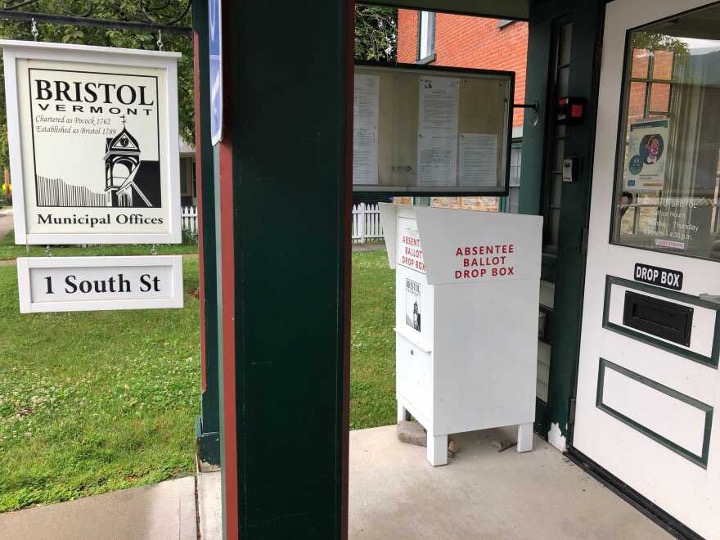
An absentee ballot box in Bristol, Vermont (Vermont Public)
How to vote
Voter registration: all US citizens who will be 18 or older on Nov. 8, 2022 are eligible to register to vote.
You can check if you’re registered to vote at this website
If you’re not registered, you can register:
At your town clerk’s office prior to the election
In person at your polling place on election day
Online or by mail, through the Vermont Secretary of State’s office website
There are two ways to vote
Early voting, by mail or in person from June 24 through August 8
VTDigger just reported that the Secretary of State’s office has advised people who haven’t mailed their ballot yet to instead give it directly to their local town or city clerk or to drop it in their town’s dedicated ballot drop box to ensure their ballot is counted
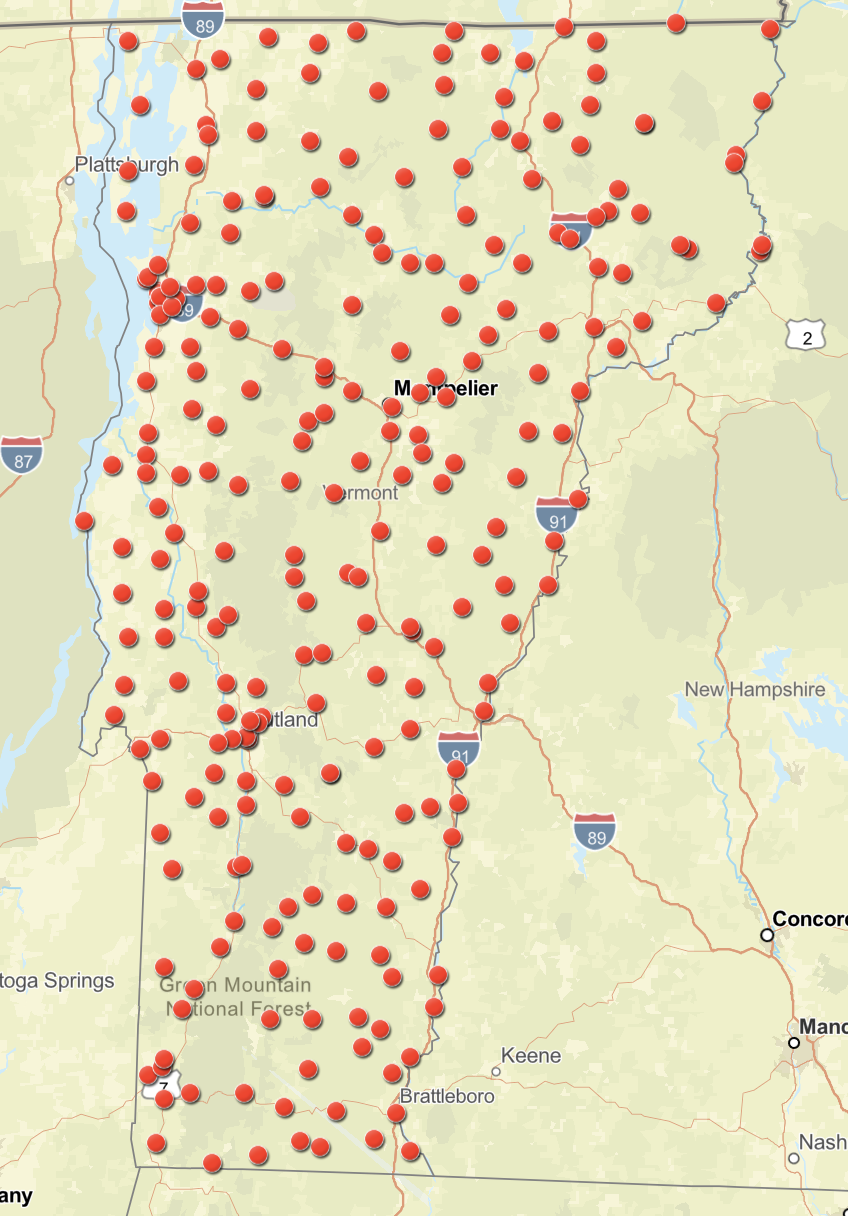
You can find out if your town or city has a secure ballot drop box at this website
You can find the location of your town clerk’s office at this website
In-person voting on August 9
You can find your local polling place at this website
Remember: you can register to vote on the day of the election at your local polling place!
Accessible voting: Disabled Vermonters can use the state’s accessible voting system
As an online voting interface during the early voting period, June 24-August 8
As a tablet-based system for in-person use at polling places on August 9
Polling places in Vermont
Vermont candidates
There are both county-wide (state senator; state representative) and statewide (US Senate, US House, Governor, Lieutenant Governor, Secretary of State, Attorney General, State Treasurer, Auditor of Accounts) races.
Check out the candidates for statewide office at this website
Check out the candidates for local office at this page – scroll down to “candidate directory”
Key races
Vermont’s sole US House seat is open for the first time since Peter Welch was elected in 2006 (he took office in January 2007). Current polls have Democratic candidate Becca Balint in the lead
Incumbent Chittenden Co. state’s attorney, Sarah George, is facing a challenge from fellow Democrat Ted Kenney. George’s progressive approach to the justice system has drawn criticism from some quarters – Kenney describes it as “overly lenient”. Police and firefighters’ unions have backed Kenney in the race. Read more in this article from VTDigger and this article from Seven Days
Sarah George (left) and Ted Kenney (right), who are battling it out for the Democratic nomination for Chittenden County State’s Attorney
What to think about when making a decision
Local and statewide elected representatives have a hand in determining state-level and federal policy, which can have major impacts on life here in Vermont.
Senators Leahy and Sanders have both just announced the approval of millions of funding, requested on behalf of Vermont projects, in the FY2023 Senate Appropriations bills. If passed by the US House and Senate, multiple Vermont-based projects stand to receive a significant influx of funds. Projects include several aimed at developing affordable housing and increasing homeownership equity in the state – something that is sorely needed in our current tight housing market.
At the state level, recent legislature aimed at increasing tenants’ rights and improving housing equity in the state has faltered due to a lack of support. Burlington’s Just Cause Charter Change, which would have outlawed arbitrary, retaliatory, or discriminatory evictions was vetoed by Gov. Phil Scott and needed just one more vote in the House to overcome the veto.
Local news outlets have released guides to the 2022 election and are also worth checking out for coverage of events:
VTDigger has published a 2022 Election Guide, which includes candidate guides, news articles, and multi-lingual resources.
Vermont Public’s 2022 primary election can be found here and includes links to video debates between the candidates, as well as multi-lingual voting guides.
The development of affordable housing is a key response to the housing crisis – but where are these homes located? “Smart growth” – the idea that we should encourage dense, mixed-use developments with access to services including public transport and green space – is increasingly a buzzword in housing. But recent research suggests that affordable housing is increasingly being built in environmentally risky areas, including those prone to flooding or wildfires and historically polluted areas.
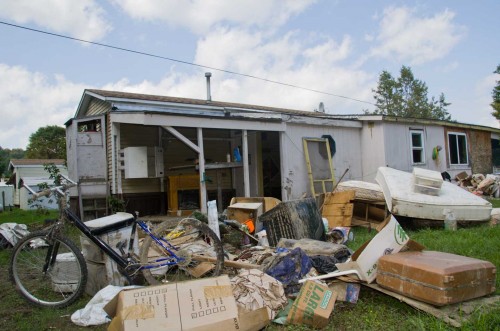
A damaged mobile home in Berlin, VT, following Tropical Storm Irene (image: VTDigger)
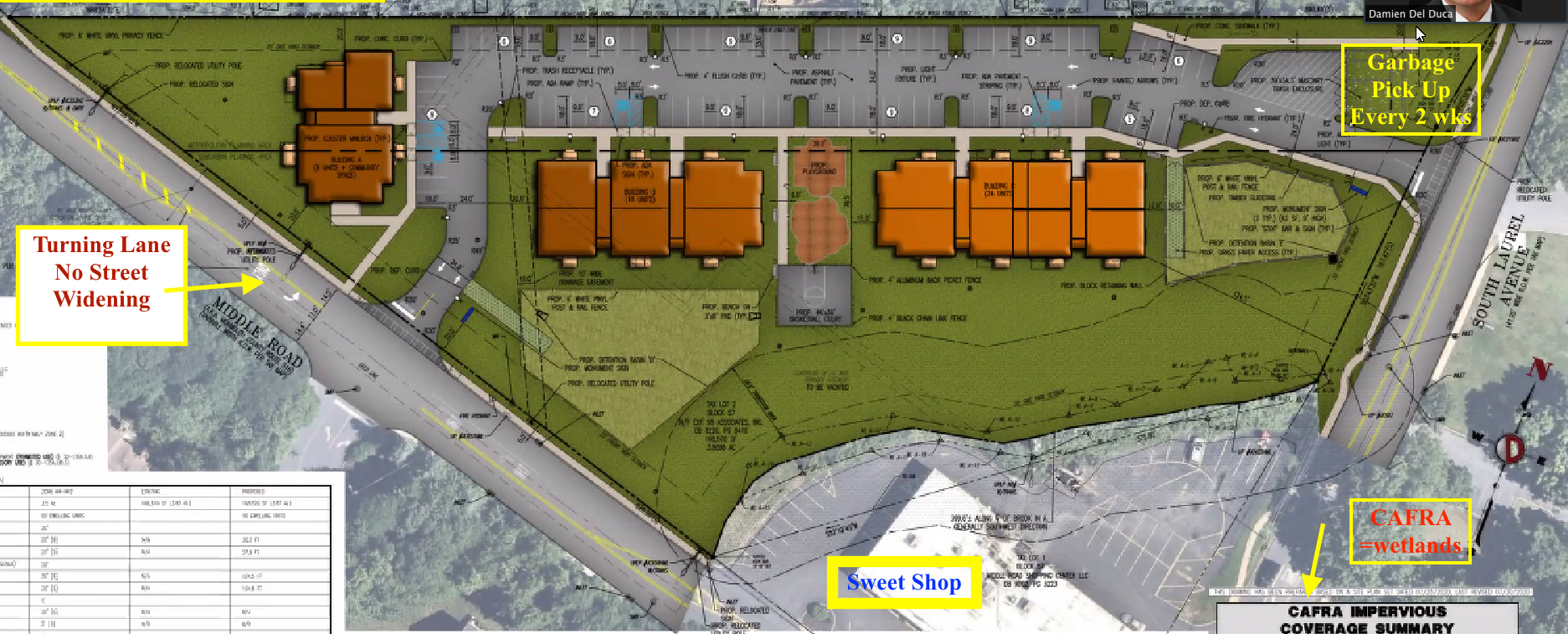
One Shelterforce article, written by Collen O’Connor-Grant, discusses how 300 low-income housing units, due to be built in Holmdel Township, NJ (a wealth NYC suburb), were relocated from the main redevelopment area to a recently rezoned wetland. The new lot was a known flooding hotspot and, given the devastation caused by recent storms like Sandy and Ida, authorities were undoubtedly area of the risks of the new location. Other concerns were also raised, including the potential for soil and water contamination from nearby businesses – but no plans to conduct testing to check this were ever announced.
The proposed plan for the affordable housing development in Holmdel, located on a flood-prone lot (image: Shelterforce)
The Holmdel case is a classic example of “climate gentrification”, where certain properties or areas are valued over others because of their perceived ability to withstand the effects of climate change. Climate gentrification is also a problem in Vermont, as recent articles discussing “climate refugees” have shown. While everyone deserves a safe place to live, some are concerned that the influx of often-wealthy folks from out of state looking for “climate havens” will further displace long-term Vermont residents struggling with the state’s housing crunch.
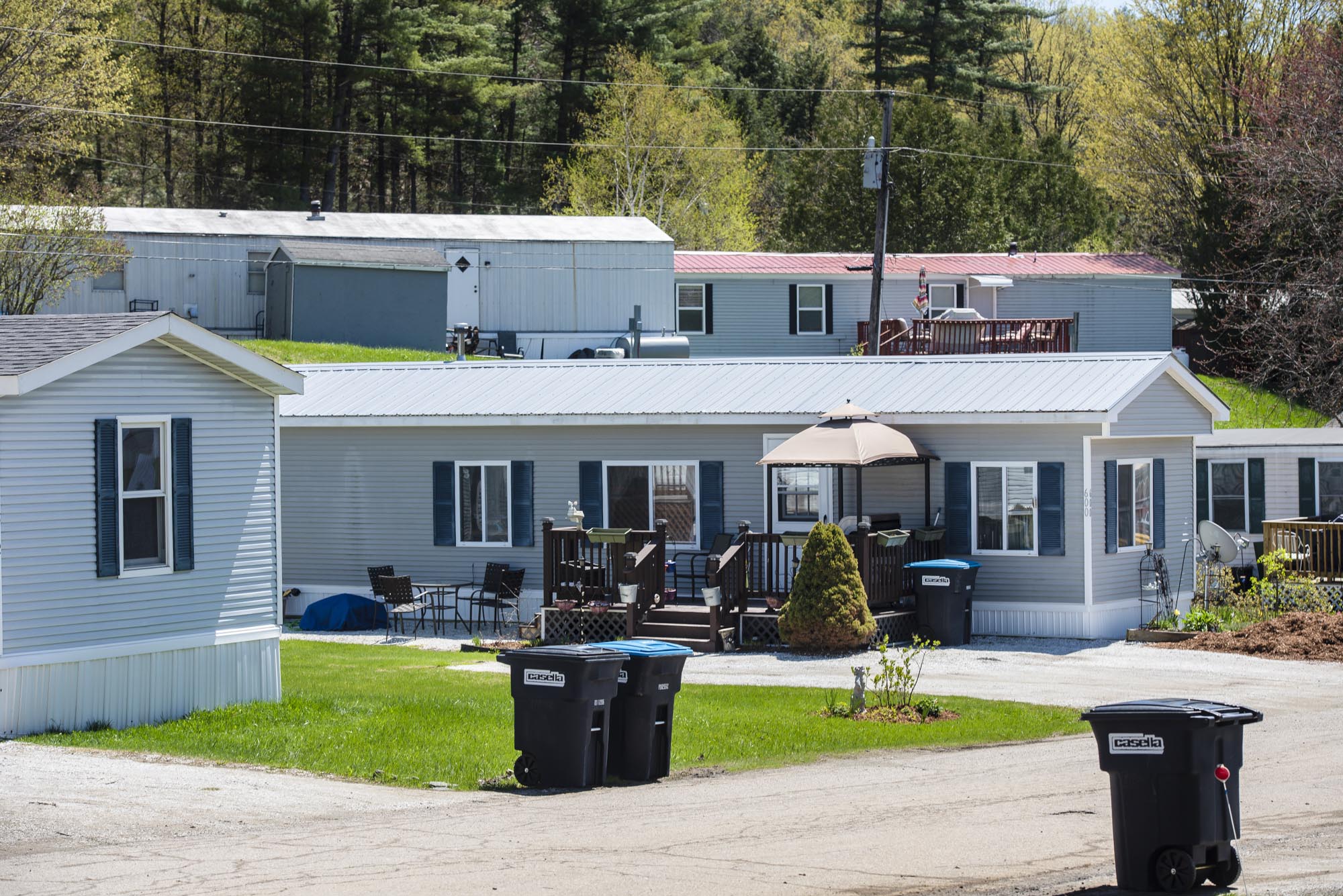
Locating affordable homes in more environmentally risky areas is also a problem in Vermont. A 2013 study by UVM and the Department of Housing and Community Development found that mobile homes are disproportionately located in flood zones: nearly 12% of mobile homes in parks are located in flood hazard areas, compared to 6% of mobile homes on private land and just 4% of single-family homes.
The St George Community Cooperative mobile home park; mobile home parks in Vermont are more likely to be located in flood-prone areas (image: VTDigger)
An article published last year in the Valley News highlights how susceptible mobile home parks are to flooding events. The Riverside Mobile Home Park in Woodstock suffered major flooding and associated damage, including problems with mold, in Tropical Storm Irene. Equity issues became increasingly apparent during clean-up: many residents lacked proper flood insurance coverage, FEMA assistance was insufficient or entirely absent, and residents struggled to find the funds to repair their homes. Similar scenarios are playing out across the country, as natural disasters often further exacerbate high costs of building materials, leaving people unable to afford the costs of rebuilding.
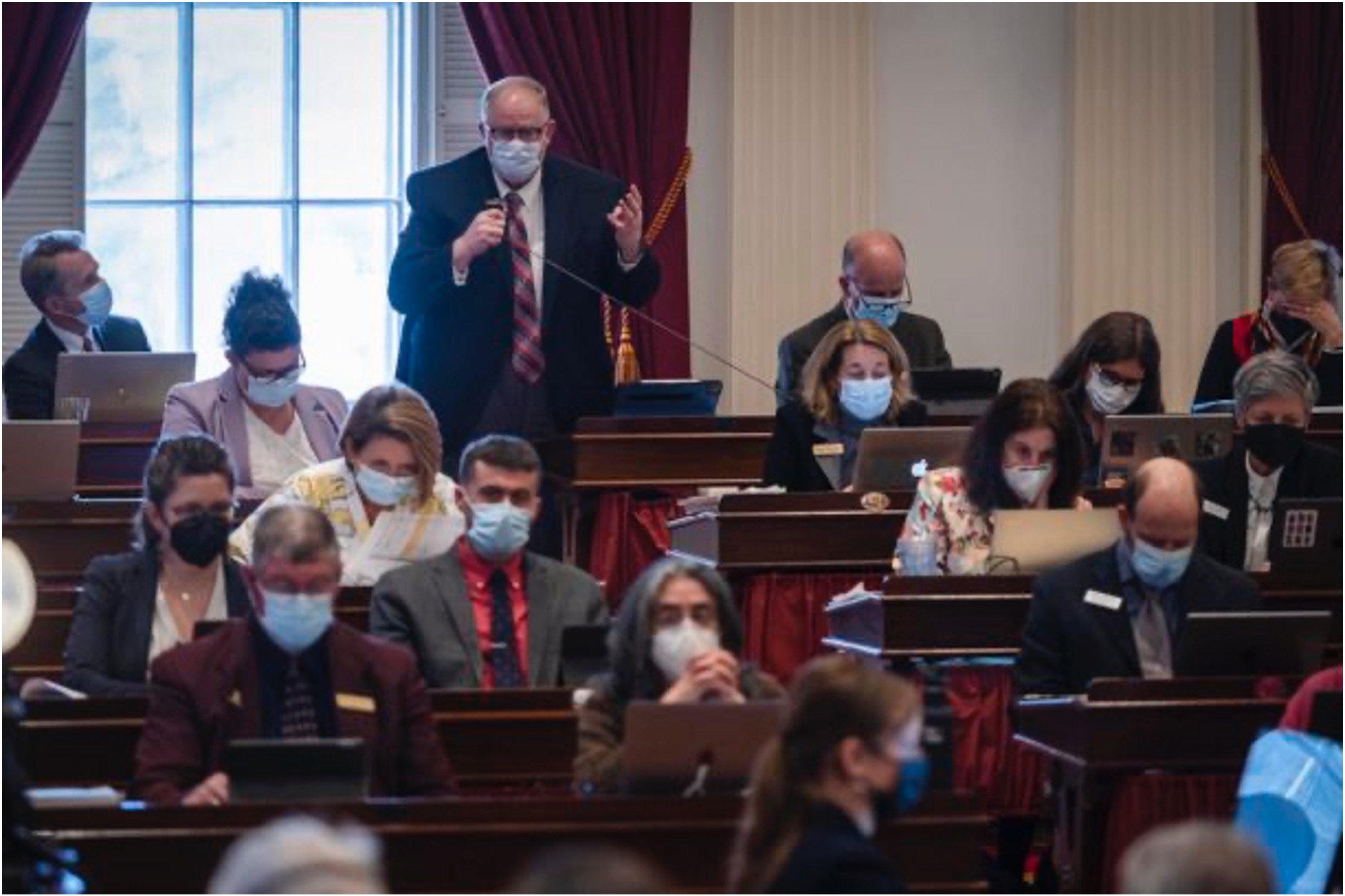
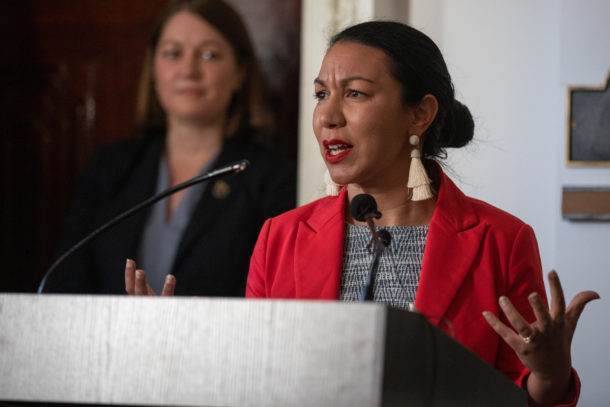
Senator Kesha Rams Hinsdale (D-Chittenden) introduced the recently signed Environmental Justice bill
Given that the effects of climate change are only predicted to increase, we need to think about how to approach the intersecting affordable housing and climate crises. Unfortunately, no ready solutions are forthcoming. While some advocate for increased regulation by local governments (e.g., through changing zoning codes), others contend that it is local authorities that are the problem, and states should pass legislation enabling them to override “bad” local planning decisions. Vermont recently passed a new environmental justice bill (S.148) that aims to reduce the burden on communities that experience disproportionate impacts from environmental stress, including flooding and pollution by requiring the state to incorporate environmental justice into their work and establishing two new state-wide advisory groups, the Environmental Justice Advisory Council and the Interagency Environmental Justice Committee. Criticism of the bill centers on its implementation, with concerns that the bill does not allocate enough funding to ensure its long-term viability or to allow for meaningful community engagement. Nonetheless, passing the bill is still a big step forward for environmental justice in our state.
What do you think? Leave a comment below or visit our Facebook page to join in the conversation!
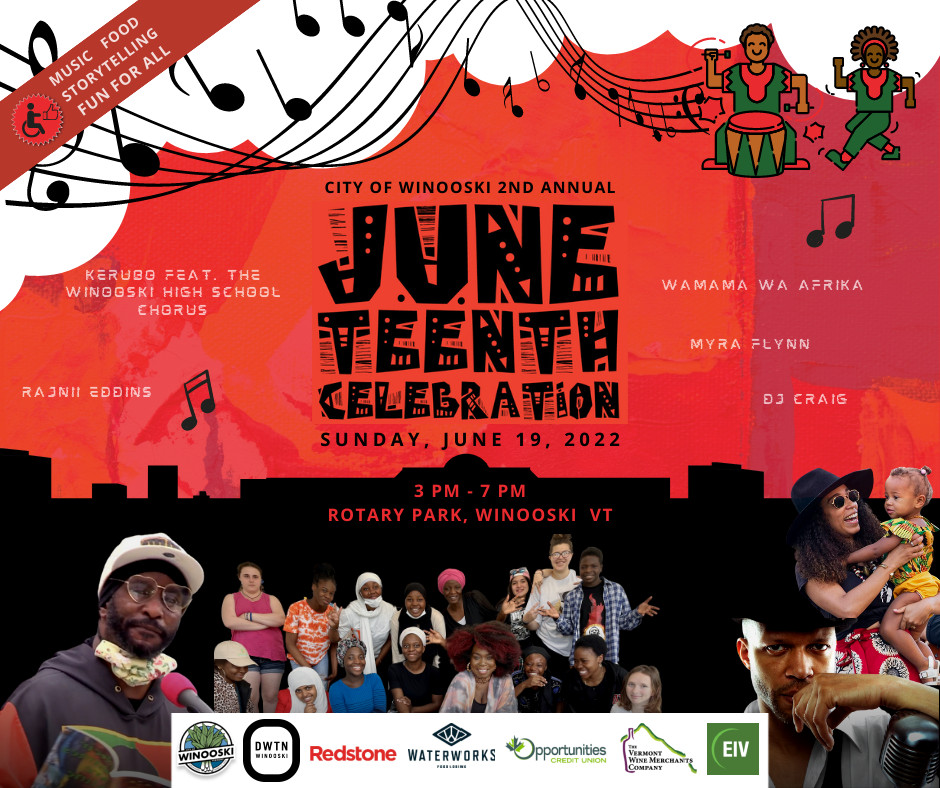
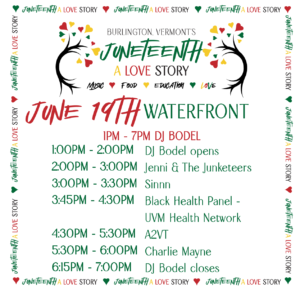
A flyer for Winooski’s 2022 Juneteenth Celebration
What is Juneteenth?
Juneteenth is a holiday celebrated on June 19th to commemorate the emancipation of enslaved people in the United States. Although the Emancipation Proclamation was issued by President Abraham Lincoln on January 1st, 1863, it was not until June 19th, 1865 – approximately two months after Confederate general Robert E. Lee surrendered – that enslaved African Americans in Texas learnt of their freedom. The date has been celebrated ever since, first in Galveston, Texas and later in other parts of the country.
The holiday has grown in prominence since the murder of George Floyd by a white police officer in 2020 and ensuing national protests against white supremacy, which cemented the push to make it a federal holiday. President Biden signed the bill naming Juneteenth a federal holiday in June 2021, making it the 11th holiday recognized by the federal government.
Even though slavery was officially ended more than 150 years ago, the legacies of slavery, and of white supremacy more broadly, continue to affect the lives of Black Americans today – including with respect to housing. Nationally, just 44.1% of Black Americans own their homes, compared with 74.5% of white Americans, according to the U.S. Census Bureau. The racial gap in home ownership is even more pronounced in Vermont, where just 21% of Black households are homeowners, less than half of the national average. In comparison, 72% of white Vermonters own their homes. Black renters also face discrimination: they are less likely to get a response to enquiries about available apartments, making it harder to even rent an apartment in the first place. Recently launched programs in Vermont, including a new homeownership equity program by Champlain Housing Trust aimed at BIPOC households, are hoping to reduce this homeownership gap (read more here).
How is it celebrated?
Early Juneteenth celebrations often involved prayer and small family events, where food was an important part. Celebrations have grown in recent years, with many cities hosting large events such as festivals and parades. Vermont became the 29th state to recognize Juneteenth as a state holiday in 2008 and today events are held across the state to mark and celebrate the date – we’ve put together a roundup of some of them below!
Learn more: The Carpenter-Carse Library in Hinesburg has collated a Juneteenth reading and resources list with great suggestions for all ages – check it out here if you’re interested in learning more about Juneteenth!
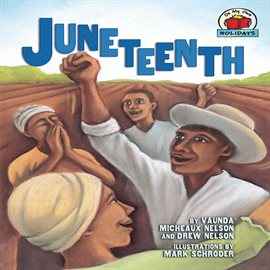
A book about Juneteenth by Vaunda Micheaux Nelson and Drew Nelson, available at public libraries in Vermont
Where can I celebrate Juneteenth in Vermont?
A variety of organizations, communities, and museums are hosting Juneteenth events across Vermont this year. Here’s a round-up:
Burlington’s “Juneteenth: A Love Story” event
Event: Juneteenth, A Love Story, Friday June 17 – Sunday, June 19
On behalf of the Vermont Statewide Housing Conference Planning Committee, VHFA is seeking proposals for sessions at the 2022 Statewide Housing Conference, to be held on Wednesday, Nov. 16 in Burlington. For decades, this biennial conference has brought together practitioners, community members and policy leaders to nurture connection and innovation.
This year’s conference theme is “What YOU can do to solve the housing crisis.” The conference planning committee is inviting the housing community to submit proposals for sessions at the conference that speak to this theme. If you have an idea for a session you would like to facilitate at this year’s conference, please submit a brief description of the session and answer a few questions about it by completing the short web-based form.
Conference organizers hope to offer a wide range of session formats, including non-traditional approaches that make build off of the conference’s in-person nature and make creative use of technology and other mediums to engage attendees. Here are a few session topic examples:
Voices of Vermonters with lived experiences that reflect the diversity of our state
Ways to combat the housing crisis through direct local levers and partnerships
Systems for turning ideas and inspiration into personal action
Impact on affordability and CO2 emissions of municipal housing development requirements
Proposals will be accepted through June 30, 2022. Please direct any questions to conference@vhfa.org.
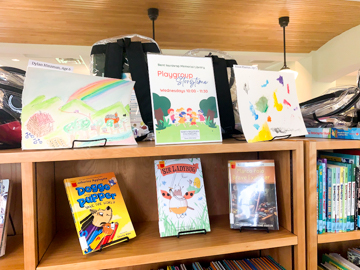
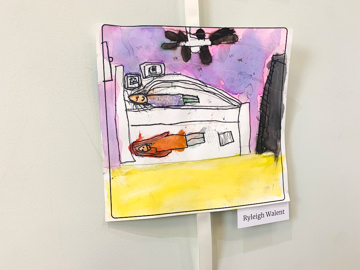
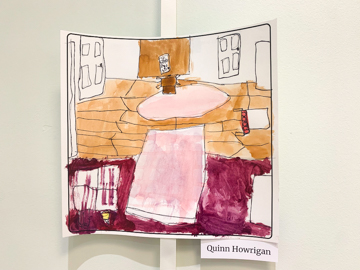
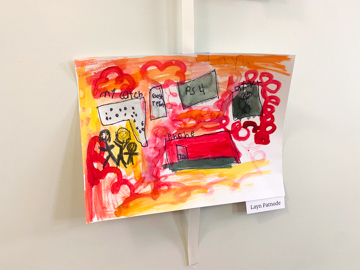
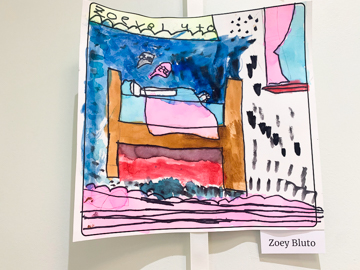
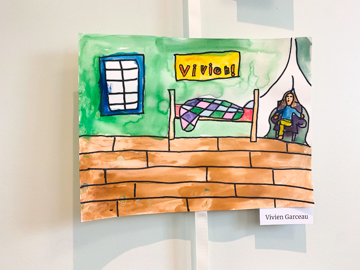
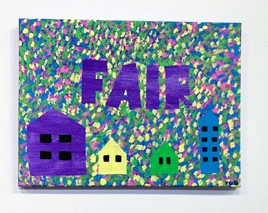
After an incredible month of Fair Housing activities and sending out almost 1,000 HeART & Home Art Kits, the Fair Housing Project of CVOEO visited the Bent Northrop Memorial Library in Fairfield to see the community’s HeART & Home exhibit.
In recent years, CVOEO’s Fair Housing Project has expanded the reach for Fair Housing Month activities through a partnership with the Vermont Department of Libraries (VTLIB). This year,thanks to funding from the federal Institute of Museum and Library Services, VTLIB helped expand the HeART & Home Community Art project, which engages artists of all ages through guided Fair Housing art prompts and reflections questions.
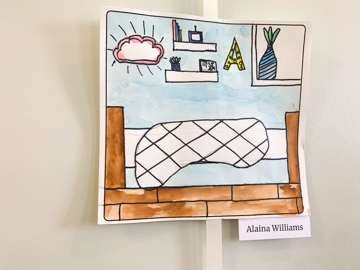
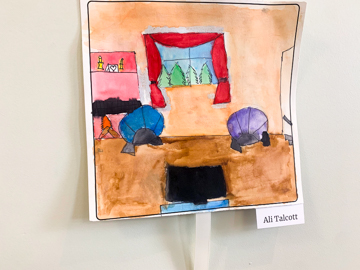
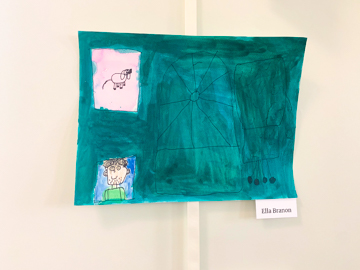
The Bent Northrop Memorial Library rose to the occasion with its own HeART & Home student art exhibition. As part of the Working Communities Challenge’s Northwest Collaborative, the library partnered with the Fairfield Center School and the Northwest Regional Planning Commission to participate in the community art project. More than 50 pieces of art were displayed at the library. You can still catch the exhibition for a short time!
Especially as we adjust to the changing realities of COVID-19, we are incredibly grateful for the opportunity to see Fair Housing Month participants in person. In this unique exhibit, we observed how the third- and fourth-grade students of Fairfield Center School carried different interpretations of what home meant to them, from sharing bedroom floor plans, to windows overlooking their yard or neighborhood, fireplaces, pets, rolling hills, barns, and more. It’s clear that home is an unique and special place to each person.
The Bent Northrop Memorial Library exhibition captures the core of the HeART & Home project – home is a dynamic and very personal place, too complex to capture within a single person’s experience, but essential to each person’s self-expression.
Bent Northrop Memorial Library Director Sarah Allerton with the Fairfield Center School students’ HeART & Home art.
Thank you for celebrating Fair Housing Month this past April with the Fair Housing Project of CVOEO and statewide partners. This year’s Fair Housing Month was full of community and creative activities all over the state. More than 1,800 people participated in virtual workshops, community conversations via Zoom, Fair Housing Friday discussions, art projects, and other events. These activities went far beyond the basics of fair housing and included discussion on ways to make our towns and cities more welcoming, issues related to housing access and homelessness, and how to address community housing needs.
Here’s an overview of the month’s activities and links to event recordings, and more information:
ART: A new partnership with Arts So Wonderful brought Fair Housing curriculum to its youth-lead Youth On Boards event, and invited artists to depict their visions of thriving inclusive communities through visual art, poetry, and music. You can check out their submissions here. And congratulations to Norzin Mentsang, Celeste Forcier and Brynn Barrett, the first, second and third prize winners for the art contest!
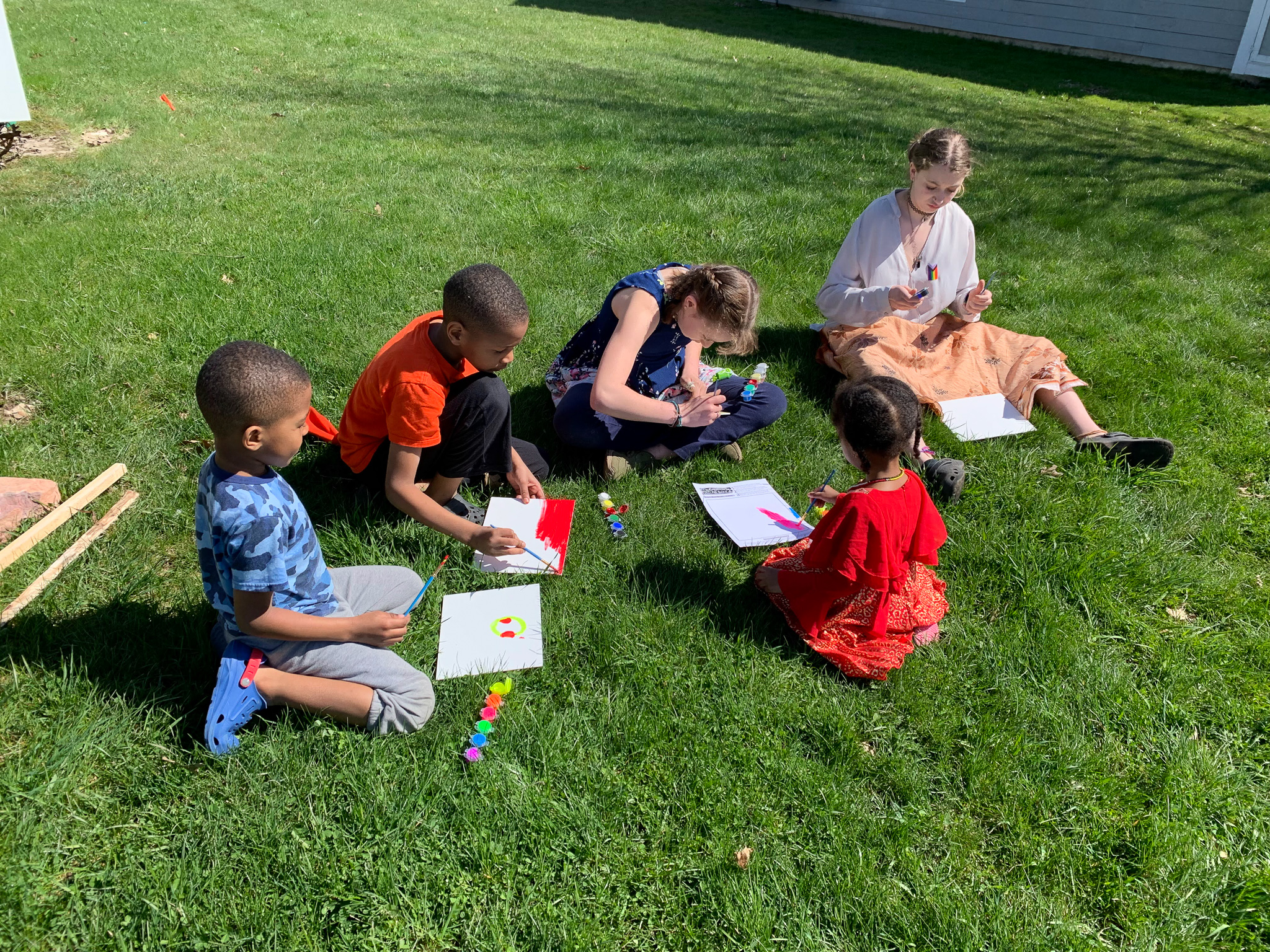
26 libraries and 14 housing and community sites distributed nearly 1,000 art kits containing watercolor paints and brushes, collage cut-outs, thoughtful prompts, and fair housing resources.
In partnership with the Vermont Garden Network, we provided HeART & Home art kits to the community of South Meadow (an affordable housing site off of Pine Street in Burlington), where residents and volunteers were building a natural playscape. Families and children took breaks from the project to reflect on home and housing through art.
CVOEO’s Fair Housing Project displayed newly designed panels featuring updated protected class iconography, ways to become an advocate, and a brief history of Fair Housing at Burlington City Hall. You can see these panels (with original art by Corrine Yonce) here.
LIBRARY EVENTS: We again partnered with the Vermont Department of Libraries to bring Fair Housing curriculum across the state. Libraries are essential centers of our communities, providing physical and virtual spaces for information, support, and connections. In addition to accessing art kits, children and adults from all over the state took part in StoryWalks and joined Fair Housing book groups, including Story Boat by Kyo Maclear, Evicted by Matthew Desmond, and Race for Profit by Keeanga-Yamahtta Taylor.
CVOEO also facilitated the continuation of the Vermont Department of Library housing discussion series, joined by the Vermont Affordable Housing Coalition, the Vermont Human Rights Commission, and Vermont Legal Aid to discusshousing justice, the how the state is addressing the current housing crisis, and how librarians can best connect people who are experiencing evictions to local and statewide resources and service.Watch the recording andaccess the resources here.
WORKSHOPS: An assortment of workshops offered deep dives into discrimination and equity with opportunities for the general public, landlords, and municipal officials to learn about fair housing rights and responsibilities and discuss issues related to harassment and hate crimes.
FAIR HOUSING FRIDAYS: These sessions are discussions among affordable housing advocates, community leaders, policymakers, and service providers about housing inclusivity. The interactive conversations provide a space to reflect on what we are doing in our community that is working to further housing equity and what policies out there might we consider to do better as housing experts, legislators, advocates, and community members. This year’s topics were Is Building More the Cure?, The Opportunities and Challenges of Mobile Home Communities, and Why Aren’t We Building the Housing We Need? Watch the recording here.
VERMONT AFFORDABLE HOUSING COALITION EVENTS:
VAHC April Community Meeting Community Meeting: #Housed802 meetings are an opportunity for VAHC to facilitate a discussion with community members about legislative opportunities to advocate for affordable, inclusive housing. You can find the recording here.
In the House: In this episode of the monthly VAHC hosted conversation, VAHC Director David Martins has a conversation with Jess Hyman from CVOEO about Fair Housing Month: What is it? Where does it come from? What does it have to do with Vermonters in 2022? You can find the recording here.
The Fair Housing Act, passed in April 1968, put into law critical protections against discrimination and harassment in housing and sought to repair and redress historical patterns of housing segregation. April was a time to celebrate these protections and highlight the positive and essential role that affordable, inclusive housing plays in our communities. However, it’s important to recognize that exclusion and discrimination still exist in Vermont and that we must continue the fight to ensure that everyone has access to safe, stable, and affordable homes, free from discrimination, exclusion, and harassment.
Where we live matters – it’s connected to how we get to work, access healthcare, where our children go to school, and our physical environment. Stable, safe, and affordable homes provide the foundation for vibrant and thriving communities and there is a strong correlation between housing opportunity and health disparities, especially for people of color and others who experience discrimination. This has been especially relevant during the pandemic and we will continue to see these inequities as pandemic-related housing supports are reduced.
What is Fair Housing?
Fair Housing is the right to equal opportunity in housing choice and the right to rent, buy, or live in a dwelling free from discrimination. The federal Fair Housing Act prohibits discrimination in housing based on race, color, religion, national origin, sex, disability, and family status. Vermont has additional protections based on age, marital status, sexual orientation, gender identity, receipt of public assistance, being a victim of domestic violence, sexual assault, or stalking, and denial of development permitting based on the income of prospective residents. For more information about fair housing in Vermont, visit www.cvoeo.org/FHP, call 802-660-3456 x 106, or email fhp@cvoeo.org.
Thank you to our Fair Housing Month Partners and Sponsors!
These activities are made possible with the support of the U.S. Department of Housing and Urban Development. Library activities are supported by the Institute of Museum and Library Services, a federal agency, through the Library Service and Technology Act as administered by the Vermont Department of Libraries.
This guest blog post features Mark Demers, Landlord Liaison at the Champlain Valley of Economic Opportunity (CVOEO). Mark helps build relationships with landlords across Chittenden County so that we at CVOEO can strengthen our practices of assisting people with their housing needs. Mark reflects on the way zoning laws can be restrictive to inclusive housing, and the impact that might have on the overall community. Zoning laws have been used to restrict affordable housing and perpetuate the racial wealth gap. Historically, this has been intentional, with the “protection” that he refers to in his letter being for white people. If you are interested in digging deeper into the topic of zoning and equity, this webinar hosted by the Joint Center for Housing Studies of Harvard University is a good place to start.
In (or Out of) “The Zone”
I walked into the bedroom and saw my three-year-old sitting on the floor with his back up against his bed, his knees pulled up tight to his chest. His ten-year-old brother with whom he shared the room, was seated at a desk working on a model airplane.
“Why don’t you play with your toys?” I asked the little one.
“I can’t play with my toys,” he said.
“Why not?”
“Because I can’t go past the line to get them.”
I learned that a policy had recently been put in force in the bedroom. The three-year-old was allowed to be in the room as long as he stayed on his “side”, which consisted of the real estate bordered by the wall his bed rested against and a line that ran parallel, about two feet away from the edge of the bed where he currently was sitting. The line was invisible; but it was rigorously enforced by the older brother. The youngest had access to about 15% of the space in the room. He was granted a right-of-way from the door of the bedroom to his “side”.
My youngest was experiencing the inequity of an unjust zoning ordinance – a policy over which he had little control and less say.
In her book “Fixer Upper”, Jenny Schuetz lays significant blame for the current housing crunch across the nation on zoning laws that are as restrictive as they are complicated. Communities are diverse in both their demography and their geography, thus the plethora of zoning not just from one town to another, but from one neighborhood to the next. Burlington is no exception.
Who can be expected to remember the difference between the NMU and the NAC; or the NAC-RC and the NAC-CR? We have RH’s, RM’s, RM-Ws, RL’s and RL-W’s. Each of these designate specific sections of the city and are accompanied by regulations for what can or cannot be built within their boundaries.
Zoning laws are designed to protect something – like wetlands or waterfronts or fabulous views or recreation areas. They protect the character of neighborhoods, keeping them “low density” (“RL”) or “historic” in appearance. Unfortunately, as my youngest son experienced, these laws can do more than protect resources or appearances. They become barriers – as impermeable as they are invisible – that prevent the construction of needed housing or prohibit certain people from living there.
We don’t want to throw the baby out with the bathwater. We don’t have to look far to see what happens when polluting activities are allowed to go unrestrained on fragile lands. The clean-up takes years and costs millions. We also have to ask ourselves the question: Do we want our children to be able to afford to live here? Burlington doesn’t have room to “build out” and if I read our current zoning laws right, there are not many places where we can “build up”. Something is going to have to give.
I don’t envy those in power faced with the task of mitigating the current housing crisis. My three-year-old son had the benefit of a dad whose authority was enough to adjust oppressive lines that had been arbitrarily set by the bedroom zoning ordinance. The lines drawn in and between our neighborhoods present more of a challenge. They have the power of decades of inertia behind them. But if we are going to have housing that is affordable, sustainable, and environmentally responsible, some of those lines are going to have to move. That’s not just a job for civic leaders; it’s a project that will demand careful thought, compromise – and dare I say it – sacrifice from us all.
If you are a landlord or property manager or want to comment on this article, please feel free to give me a call – 863-6248 x 755 or send me an email – mdemers@cvoeo.org.
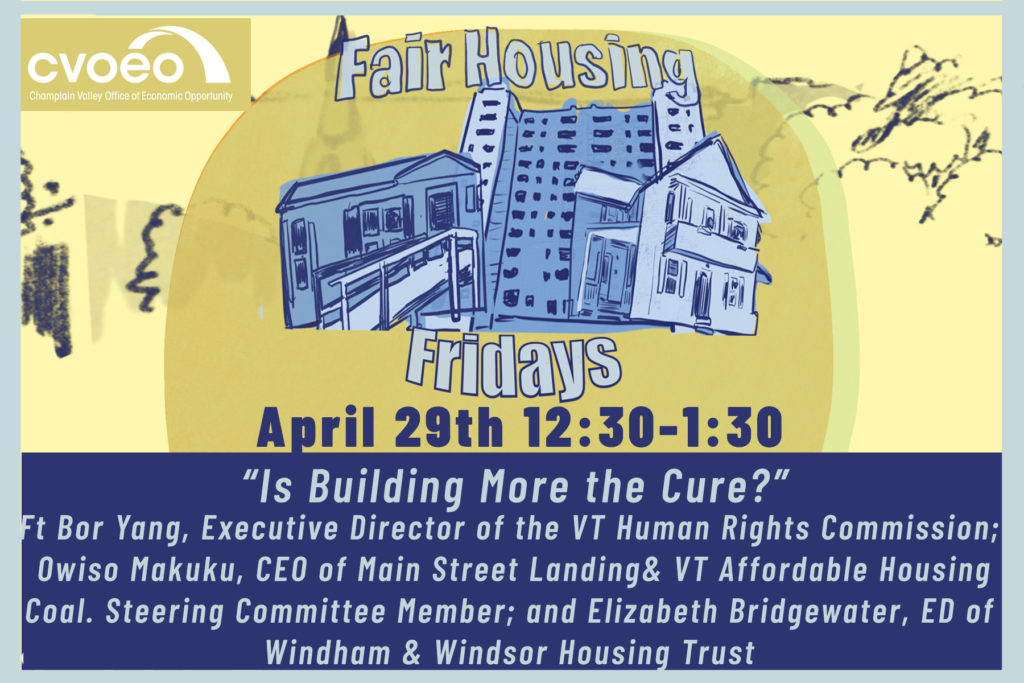
Our last #FairHousingFriday of Fair Housing Month 2022 left us with a lot to consider. Featuring Bor Yang, Executive Director of the VT Human Rights Commission; Owiso Makuku, CEO of Main Street Landing and VT Affordable Housing Coalition Steering Committee Member; and Elizabeth Bridgewater, Executive Director of Windham & Windsor Housing Trust, we discussed how relying on development alone won’t ensure housing opportunities for the communities with the greatest housing needs in Vermont. This conversation highlighted how housing opportunities are not equally accessible to all low-income Vermonters and presenters shared tools and policy ideas that could be considered to ensure housing equity and housing opportunities for our most vulnerable Vermonters
We heard from panelists about how climate migration – still lead predominately by people with the resources to move- is already impacting housing opportunities for potential first-time home buyers across the state, especially in Southern Vermont. We also heard about how employers are taking on the burden of finding housing for their employees in an effort to meet their workforce needs. Of the tools listed to further equitable housing opportunities, panelists pointed to zoning reforms like inclusionary zoning policies, critical looks at minimum lot sizes and how that curbs what kind of housing is developed, and allowing for more multi-family housing such as duplexed, triplexes, and larger apartment developments. Also highlighted was the need to modernize municipal bylaws that could inadvertently be posing barriers to developing in communities across Vermont.
Unfortunately, audience members are left with the knowledge that often it is the vocal minority that gets in the way of developing new affordable housing, and that housing discrimination continues to impact communities of color, new Americans, folks with disabilities, and renters with children on a wide scale. And discrimination is challenging to track as it is so hard to report, and those with the greatest housing needs may not know their rights, but often are so taxed by trying to meet their own housing needs that they are unable to report the discrimination they face. We are left with the with the responsibility to mobilize in our own communities to consider our regional housing equity gaps, and advocate for policies that not only encourage more housing development, but ensures that housing meets the needs of our community members who are most often overlooked and left behind from the housing conversation.
If you missed it, find the full recording below:
Resources shared as a part of this Fair Housing Friday:
Stay tuned for our Fair Housing Month wrap up, and remember, these conversation MUST continue throughout the year. Thank you for joining us, and please stay in touch.
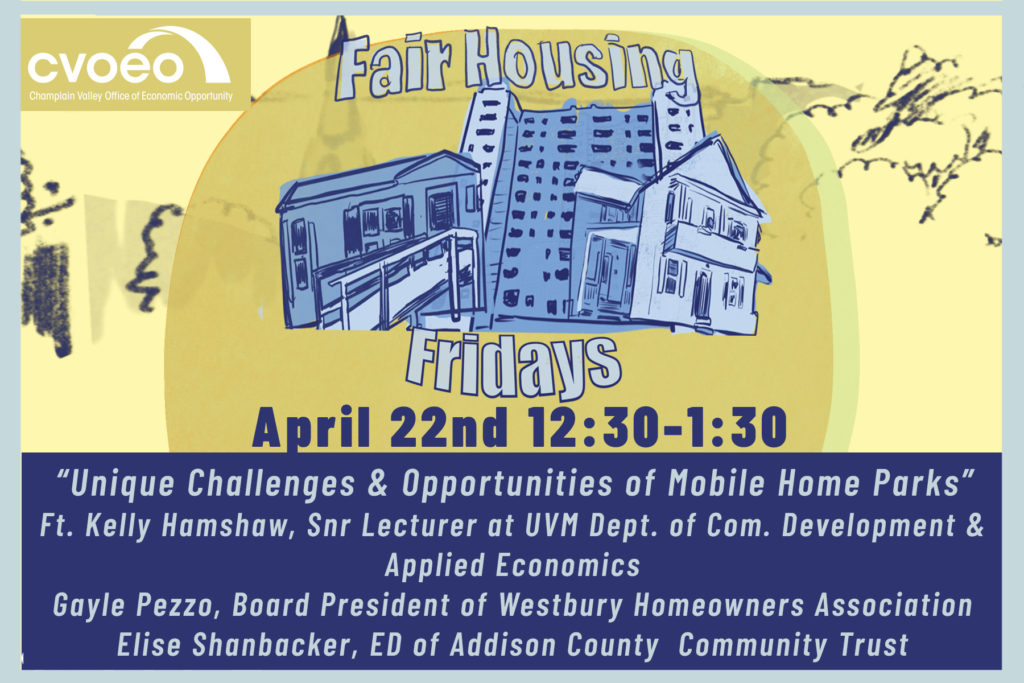
Our second #FairHousingFriday of the month was a fantastic hit! Hosted by Nate Lantieri of CVOEO’s Mobile Home Program, panelists included Kelly Hamshaw, Senior Lecturer at UVM Dept. of Community Development & Applied Economics; Gayle Pezzo, Board President of Westbury Homeowners Association; and Elise Shanbacker, ED of Addison County Community Trust.
Panelists covered a extensive array of topics in a short amount of time, from the challenges of financing infrastructure updates for mobile home communities, the challenges community members encounter with funding basic park maintenance such a plowing, and the unique ways mobile home communities are impacted by climate change.
We ended on a powerful message from Gayle Pezzo, Board President of the Westbury Homeowners Association in Colchester, VT. Gayle spoke to the ways a mobile home community uniquely met her needs as a retired, single person, and how joining the Westbury Homeowners Association board necessitated a level of civic engagement she did not anticipate as she advocated for her community to access municipal resources. At the conclusion of the conversation, Gayle pointed out the shift in language from “trailer park” to “mobile home community” had a powerful impact on the way mobile home communities are viewed, and her own connection to her neighborhood.
If you missed it, find the full recording below:
Resources shared as a part of this Fair Housing Friday:
In this final Fair Housing Friday for Fair Housing Month, we will discuss how relying on development alone won’t ensure housing opportunities for the communities with the greatest housing needs in Vermont. Featuring Bor Yang, Executive Director of the VT Human Rights Commission; Owiso Makuku, CEO of Main Street Landing and VT Affordable Housing Coalition Steering Committee Member; and Elizabeth Bridgewater, Executive Director of Windham & Windsor Housing Trust.
And coming up this week:
Arts So Wonderful Art opening at the South Burlington University Mall! Friday April 29th from 4pm to 7 pm, or alternative dates at request. Read the full Call to Artists here
CVOEO’s Fair Housing Project has designed and installed this Fair Housing exhibit in Burlington City Hall, featuring our updated protected classes iconography, ways to become an advocate, and a brief history of Fair Housing
CVOEO’s FHP is partnering with Arts So Wonderful for an art competition and cash prizes! Drop off your work April 18th or April 24th